Call Today for a Free Consultation


Dental Bridges and Bite Alignment: Restoring Harmony to Your Smile
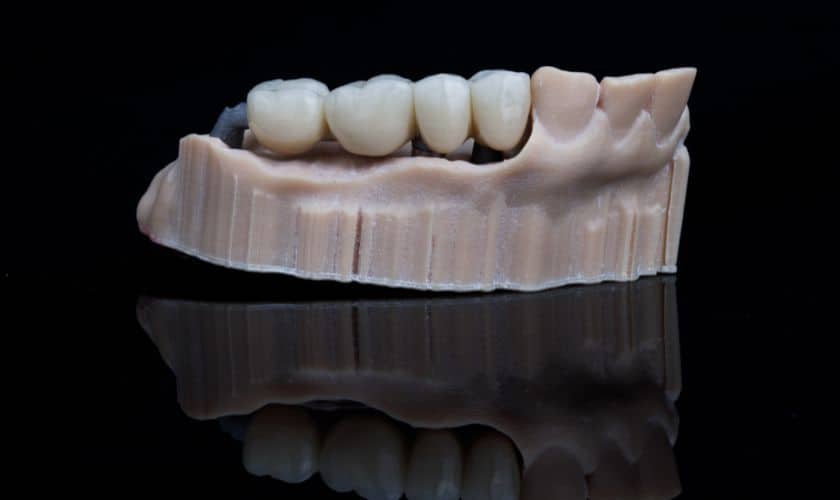
A healthy and functional bite is crucial for overall oral well-being. Dental issues such as missing teeth can not only affect the aesthetics of your smile but also impact your bite alignment.
Relationship between dental bridges and bite alignment:
Understanding Bite Alignment:
Bite alignment, also known as occlusion, refers to the way your upper and lower teeth come together when you close your mouth. A well-aligned bite ensures proper functioning during activities such as chewing, speaking, and even breathing. When teeth are missing, the remaining ones can shift over time, leading to an altered bite that may cause discomfort and oral health issues.
Dental Bridges and Their Role:
Dental bridges are a common and effective solution for replacing missing teeth. Comprising one or more artificial teeth, a dental bridge is anchored in place by adjacent healthy teeth or dental implants. While the primary purpose of dental bridges is to fill the gap left by missing teeth, they also play a crucial role in restoring bite alignment.
Restoring Symmetry and Functionality:
One of the immediate benefits of dental bridges is the restoration of symmetry to your smile. The artificial teeth in the bridge are carefully crafted to match the size, shape, and color of your natural teeth, ensuring a seamless integration. This aesthetic improvement also contributes to a more balanced bite.
Preventing Shifting of Adjacent Teeth:
When a tooth is lost, the neighboring teeth may start to shift or tilt into the empty space, disrupting the natural alignment of your bite. Dental bridges prevent this shifting by providing a stable structure that maintains the proper spacing between teeth. This not only enhances the appearance of your smile but also ensures optimal bite alignment.
Improving Chewing Efficiency:
Beyond aesthetics, dental bridges contribute to the functional aspect of your bite. By replacing missing teeth, they restore your ability to chew food properly. This is crucial not only for nutritional purposes but also for preventing strain on remaining teeth, jaw joints, and muscles.
Promoting Oral Health:
An aligned bite is not only essential for comfort but also for overall oral health. Properly distributed forces during biting and chewing reduce the risk of excessive wear on teeth, jaw pain, and temporomandibular joint (TMJ) issues. Dental bridges, by restoring missing teeth and maintaining bite alignment, contribute to the long-term health of your entire oral system.
Conclusion:
Dental bridges are not just about filling gaps in your smile; they play a significant role in restoring bite alignment and overall harmony to your oral health. If you have missing teeth and are experiencing bite issues, consulting with a dentist about the potential benefits of dental bridges can be a crucial step toward achieving a balanced and functional smile. By restoring both aesthetics and functionality, dental bridges contribute to a healthier, more confident you.