Call Today for a Free Consultation



Expert Endodontic Care to Save Your Tooth
Aloha Dental offers gentle and effective root canal therapy in Las Vegas, Spring Valley, NV and nearby areas, ensuring your comfort and oral health at every stage. Today, a root canal procedure is as routine and comfortable as receiving a dental filling. This is typically the best way to relieve toothache pain, save a damaged tooth, and preserve your natural smile.
At our dental practice, our team use the latest technology to provide precise and gentle care to help patients maintain healthy, beautiful smiles. Patient care and comfort are our top priorities, and you can rest assured your oral health is in the best hands.

An Effective Way to Preserve Your Smile Naturally
Root canal therapy is one of the most reliable ways to save a tooth that has been severely damaged by decay or trauma. It has been boasting a success rate of over 90%. The natural teeth play a vital role in maintaining both your oral health and overall well-being. Root canal is often the preferred and highly recommended solution rather than opting for extraction. In fact, it’s a routine procedure across the United States where approximately 41,000 treatments are performed daily and nearly 15 million completed each year.
Why You May Need Root Canal Therapy
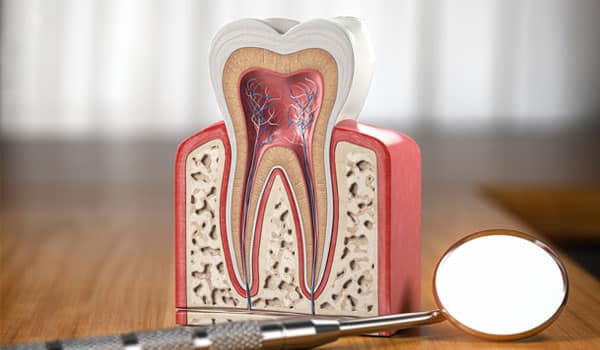
Your teeth are more than just the visible enamel and roots—they have a central core called the dental pulp that contains connective tissue, nerves, and blood vessels. During early development this pulp helps your teeth to grow and mature. After the teeth are fully developed and appear in the place the dental pulp then provides nourishment and signals for potential problems.
If you experience sensitivity when biting or consuming hot or cold foods, it’s often a warning from your tooth's nerves. This sensitivity may appear due to dental decay, trauma or any underlying infection. The level of discomfort may vary depending on the extent of the damage and the involvement of the tooth's nerve.
A root canal becomes necessary when the dental pulp is irreversibly damaged. However, as long as there is sufficient tooth structure and strong bone support around the damaged area then tooth extraction is not required. If the tooth is fully matured it can remain functional even without the dental pulp.
While not all dental discomfort does not mean the you need a root canal, there are some common warning signs that may indicate you need this procedure:
Persistent, Unresolved Pain
Although oral pain can have many causes, one of the most common is a toothache due to decay or trauma that has affected the pulp. Patients who require root canals often report severe pain that disturb their sleep.
Temperature Sensitivity
If hot or cold foods and drinks cause intense discomfort it could mean the pulp inside the tooth is inflamed, irritated. Sensitivity that lingers should be evaluated promptly.
Discomfort With Pressure or The Slightest Touch
If biting, chewing, or even touching a tooth causes a pain, it may signal pulp damage, infection, or irreversible tissue issues within the tooth.
Darkened or Discolored Tooth
A darkened or discolored tooth often indicates that the nerve and blood supply have been compromised. Injuries that devitalize internal tissues frequently result in discoloration, signaling the need for care.
Chipped, Cracked, or Fractured Tooth
Injuries that chip or fracture a tooth can also harm the pulp or leave the tooth vulnerable to infection. In these cases, a root canal may be required to save the tooth.
Swelling around the tooth and gums
Swelling near a tooth may indicate an infection. In some cases, an abscess may form, causing swelling to drain or ooze pus. Regardless, immediate care is essential to prevent further complications.
Tooth Mobility
Infections requiring root canal therapy can weaken the supporting bone, causing the tooth to feel loose. Addressing the infection through root canal treatment often allows the surrounding tissues to heal and stabilize the tooth.

The Importance of Timely Care
While the signs and symptoms mentioned earlier can sometimes indicate other dental issues, they all require immediate attention. In certain cases, a tooth needing root canal therapy might not yet show obvious symptoms. These situations are often discovered during a routine dental exam, where diagnostic tools, such as X-rays, reveal periapical pathology (issues at the root tip) or other structural damage.
Timely care is critical when undergoing root canal treatment. Delaying treatment increases the likelihood of the condition worsening, leading to more severe symptoms or complications. Left untreated, a dental infection can have significant consequences for both your oral health and overall well-being.
How is a Root Canal Procedure Performed?
Thanks to modern dental instruments and advanced techniques, a non-surgical root canal procedure is typically no more uncomfortable than getting a standard dental filling.
Some root canal treatments can be completed in a single visit, while others may require 2 or 3 appointments. The duration of the procedure depends on factors such as the tooth’s anatomy, the number of canals involved, and whether an active infection is present.
During the procedure the dental professional will first remove the infected or damaged dental pulp then thoroughly clean the inside of the tooth and finally seal the prepared canals with a biocompatible filling material to prevent future infections. Root canal therapy is performed under local anesthesia to ensure patient comfort. For those with dental anxiety, additional sedation options are available to make the experience as stress-free as possible.
What to Expect Following Root Canal Treatment
At Aloha Dental our dentists prioritize your comfort and care following the root canal therapy in our Las Vegas, NV clinic. Our mission is to guide you toward optimal oral health and keep you informed at every step of the procedure. Here’s what you can expect after the procedure:
Lingering Numbness After Anesthesia
After the completion of the appointment you may experience numbness for a couple of hours. During this time it is important to protect your lips, cheeks, gums and tongue from accidental injury due to bite. During this time avoid chewing, drinking hot beverages or smoking till the numbness completely wears off.
Post-Procedure Discomfort
Though root canal treatment resolves the pain caused by a toothache, it’s normal to feel some mild to moderate discomfort as the anesthesia fades. This temporary soreness will go away within a couple of days. To minimize any pressure or discomfort in the treated area, the tooth may be slightly filed down to prevent direct contact when biting. We’ll also prescribe some medication if necessary.
Take Antibiotics as Prescribed
Be sure to follow the full course of prescribed medication that our dentists suggest to manage or prevent any infection. Completing the medication ensures the best outcome during your recovery.
Be Mindful of The Involved Tooth
Until a permanent restoration like a crown is placed the treated tooth remains more vulnerable to damage. Even if you have a temporary filling it’s essential to avoid hard or sticky foods and try to chew on the opposite side of your mouth to minimize stress on the tooth.
Continue to Brush and Floss
Continue to brush and floss daily even around the treated tooth. Maintaining oral hygiene helps prevent additional problems and supports the healing process and ensures long-term oral health.
Restoring the Tooth in a Timely Manner
A permanent crown or restoration is necessary to rebuild the strength and structure of the treated tooth. Without the restoration the tooth remains at risk of fracture. Schedule your follow-up appointment as soon as possible to complete the process and regain full function with confidence.
With proper maintenance and care, a tooth that has been treated with root canal treatment can last a lifetime.
If you experience any discomfort or signs of infection or have concerns following your procedure call our practice at (725) 867-0057 to schedule an appointment. We serve patients in Las Vegas, Spring Valley and other nearby areas. Our Las Vegas dentist is here to provide prompt and professional care to address any issues.