Call Today for a Free Consultation


Why Your Gums Bleed During Brushing and What You Should Do Next
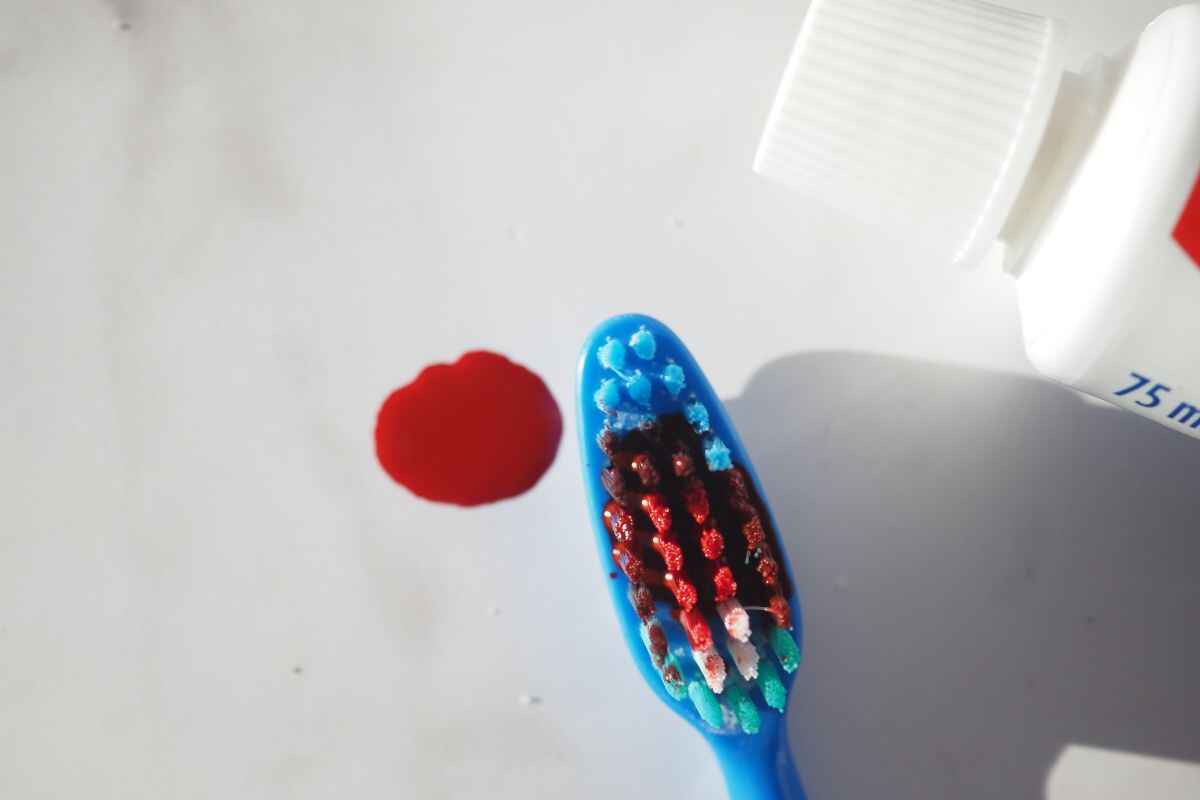
If your gums bleed during brushing, it’s usually a sign of irritation or early gum disease caused by plaque sitting along the gumline. But bleeding can also come from brushing too hard, plaque buildup, inconsistent flossing, vitamin shortages, certain medications, gum inflammation or health conditions that affect how your gums respond to bacteria. Understanding why the bleeding happens is important, because some causes can be reversed with better habits, while others need a dentist’s evaluation to prevent the problem from progressing.
In this guide, we’ll explain the most common reasons why gums bleed, how to tell whether it’s a warning sign of early gum disease, and what steps you should take to protect your oral health.
Why Gums Bleed: The Most Common Reasons
1. Plaque and Early Gum Disease
For most people, bleeding gums start with plaque that sits along the gumline. When plaque isn’t removed effectively, it irritates the tissues and leads to gingivitis. Gingivitis often shows up as red, swollen, or tender gums that bleed when you brush or floss.
This stage is reversible, but only if addressed early.
2. Brushing Too Hard
Many believe that brushing aggressively gets teeth cleaner. In reality, firm pressure can scrape the gumline and wear the tissues down, causing bleeding and long-term gum recession. Gums respond better to gentle, steady brushing with soft bristles rather than force.
3. Skipping Flossing (or Flossing Incorrectly)
If you have not flossed for a while, the first few days of getting back into the habit may cause bleeding. That’s normal. The gums adapt quickly once plaque and food debris are consistently removed.
However, snapping floss hard between the teeth can injure the gums and lead to more bleeding.
4. Dry Mouth or Medication Side Effects
A dry mouth makes the gum tissues more fragile and prone to inflammation. Certain medications can also contribute to bleeding. This doesn’t mean you should stop the medication, but it’s important to understand why the bleeding happens so you can adjust your routine.
5. Hormonal Changes
Pregnancy, menopause, and hormonal shifts can increase gum sensitivity. Even with good brushing habits, gums may bleed more easily during these periods.
6. Using the Wrong Tools
Hard-bristle toothbrushes, abrasive toothpaste, or whitening powders can irritate the gums. The simplest switch to soft bristles often makes a noticeable difference.
If swollen or tender gums continue despite gentle care and bleeding, your Las Vegas dentist is here to help. We will evaluate the tissue around your gum line to check for deeper irritation that isn’t visible at home and provide treatment before it worsens.
What You Should Do Next
1. Improve Your Brushing Technique
Use a soft-bristle toothbrush and brush at a 45-degree angle toward the gumline. Move the brush in small circular motions instead of back-and-forth scrubbing.
A gentle technique removes plaque just as effectively without damaging the gums.
2. Commit to Daily Flossing
If bleeding happens, don’t stop flossing—this is when you need it most. Bleeding usually reduces within a week once the plaque is cleared. Slide the floss gently along each side of the tooth rather than snapping it down.
3. Check Your Toothbrush and Toothpaste
Switching to a soft brush and a mild, non-abrasive toothpaste can reduce irritation. Avoid harsh powders or strong whitening agents if your gums are already sensitive.
4. Rinse With a Warm Saltwater Solution
A simple rinse of warm water and salt can help soothe inflamed gums and reduce bacteria around the gumline.
5. Stay Hydrated and Address Dry Mouth
Drinking water throughout the day and limiting caffeine or alcohol helps keep oral tissues moisturized. If dry mouth persists, talk to a professional about additional remedies.
6. Consider Whether Medications Are Contributing
If you take blood thinners or medications that reduce saliva, bleeding may occur more easily. You don’t need to change your medication, but you should be aware of the effect and support your gums with consistent care.
7. Know When It’s Time to See a Professional
If your gums bleed regularly—despite gentle brushing and daily flossing—there may be deeper gum inflammation or early periodontal disease. Persistent bleeding usually means plaque or tartar has hardened below the gumline, where home care can’t reach.
When Bleeding Gums Are a Warning Sign
You should take gum bleeding seriously when you notice:
- Bleeding for more than a week
- Swollen or tender gums
- Persistent bad breath
- Gums pulling away from teeth
- Loose teeth
- A metallic taste in your mouth
These are signs that gum disease may be progressing. Early treatment prevents long-term damage and protects both the gums and the supporting bone.
Is Your Gum Bleeding? Contact Us Today
If your gums bleed often or you’re unsure what’s causing the irritation, we can take a closer look and give you clear next steps. A gentle, thorough cleaning and personalized guidance can make a big difference.
Contact us to schedule your appointment and get your gums back to a healthy, comfortable state.
Frequently Asked Questions
1. Is it normal for gums to bleed when brushing?
No, bleeding gums aren’t considered normal. While occasional bleeding can happen if you’ve just restarted flossing or brushed a little too hard, consistent bleeding usually points to irritation, plaque buildup, or early gum disease that needs attention.
2. Can brushing too hard cause gums to bleed?
Yes. Using a hard-bristle toothbrush or applying too much pressure can scrape the gumline and make the tissues more likely to bleed. Switching to a soft brush and using gentle, circular motions helps prevent this type of irritation.
3. How long should it take for bleeding gums to improve?
If the bleeding is caused by plaque and mild gum inflammation, you may see improvement within a week of gentle brushing and consistent flossing. If bleeding continues past that, it’s best to have a dental professional evaluate the gums.
4. When should I be concerned about gum bleeding?
You should be concerned when bleeding happens daily, appears with swelling or bad breath, or doesn’t improve with good brushing habits. These can be signs of early periodontal disease or other health-related issues that require professional care.