Call Today for a Free Consultation


There’s a Lump in My Mouth! Should I Panic?
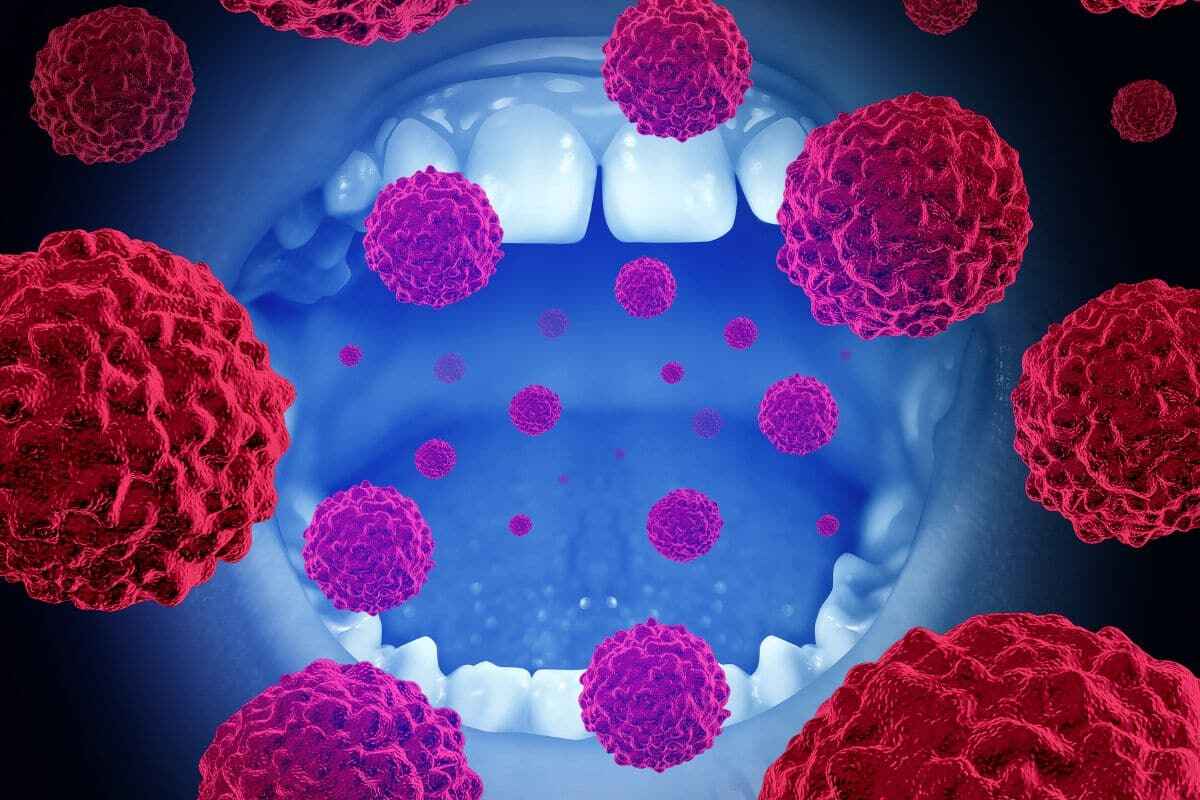
Finding a lump in your mouth can be a scary experience. Your mind might jump to the worst-case scenario, but it’s important to stay calm and gather information. Lumps in the mouth can arise from a variety of causes, some more concerning than others.
A dentist can examine the lump and determine the most likely cause. Explore the different reasons you might have a lump in your mouth and what symptoms to watch out for.
Uncover the causes & warning signs for oral cancer of mouth lumps
- Canker Sores or Mouth Ulcers: These are the most common culprits behind mouth lumps. They’re typically small, round, and white or grey in the centre with a red border. Canker sores are usually painful and can make eating uncomfortable. The good news is they’re harmless and usually heal on their own within a week or two.
- Bite Marks or Cheek Injuries: Accidentally biting your cheek or tongue can cause a tender lump to form. These bumps are usually not serious and subside within a few days.
- Lipomas: These are slow-growing, fatty tumors that can develop anywhere in the body, including the mouth. Lipomas are benign (not cancerous) and feel soft and doughy to the touch. They’re typically painless and require no treatment.
- Abscesses: These pus-filled bumps are caused by a bacterial infection. They can be quite painful and tender, and the surrounding area may be red and swollen. Abscesses require prompt treatment with antibiotics to prevent the infection from spreading.
- Cysts: These are fluid-filled sacs that can form anywhere in the mouth. They can be caused by a blockage in a salivary gland or by developmental issues. Cysts are usually painless but may require surgical intervention.
- Papilloma’s: These are small, wart-like bumps caused by the human papillomavirus (HPV). While HPV is more commonly associated with cervical cancer, certain strains can cause papilloma’s in the mouth. These growths are usually benign but can be uncomfortable, especially on the tongue.

Warning Signs That Might Indicate Oral Cancer
While most lumps in the mouth are benign, there’s a chance it could be oral cancer. Here are some red flags to watch out for:
- A lump that persists for more than two weeks
- A lump that bleeds easily or doesn’t heal
- Numbness or pain in the mouth or jaw
- Difficulty chewing, swallowing, or speaking
- Loose teeth or changes in the way your dentures fit
- A white or red patch on the gums, tongue, or inner cheek
- A sore throat that doesn’t go away
If you experience any of these symptoms alongside a lump in your mouth, contact Aloha Dental Las Vegas. Our oral cancer screening service can detect issues early, which is key for successful oral cancer treatment.
Early Detection is Key
Remember, a lump in your mouth doesn’t automatically mean cancer. The best course of action is to consult with dentists to get a proper diagnosis. They can perform a thorough examination and may recommend additional tests like biopsies to determine the cause of the lump.
Don’t hesitate to seek professional help – early detection is crucial for the successful treatment of any oral health concern, including oral cancer.
Taking Care of Your Oral Health
Regular dental checkups and screenings are essential for maintaining good oral health and detecting any potential problems early on. During your checkup, your dentist will examine your mouth for any lumps, bumps, or other abnormalities. They may also recommend screenings for oral cancer, which can help identify the disease in its early stages when it’s most treatable.
Complement dental visits with home care:
- Brush your teeth twice a day with fluoride toothpaste.
- Floss daily to remove plaque and food particles from between your teeth.
- Maintain a healthy diet and limit sugary drinks and foods.
- Don’t smoke or use tobacco products.
- Visit for regular dental checkups and cleanings, typically every six months.
- By following these tips and seeking professional care when needed, you can keep your smile healthy and happy.
Finding a lump in your mouth can be unsettling, but it’s important to remember that most lumps are harmless and have simple explanations. However, if you’re experiencing any of the warning signs mentioned earlier, don’t hesitate to schedule an appointment with a dentist. Early diagnosis and treatment are crucial for any oral health concern. Taking care of your smile through regular dental checkups, a good oral hygiene routine at home, and a healthy lifestyle can go a long way in preventing problems and keeping your mouth happy and healthy.