Call Today for a Free Consultation


Balancing Nutrition and Comfort After Oral Surgery
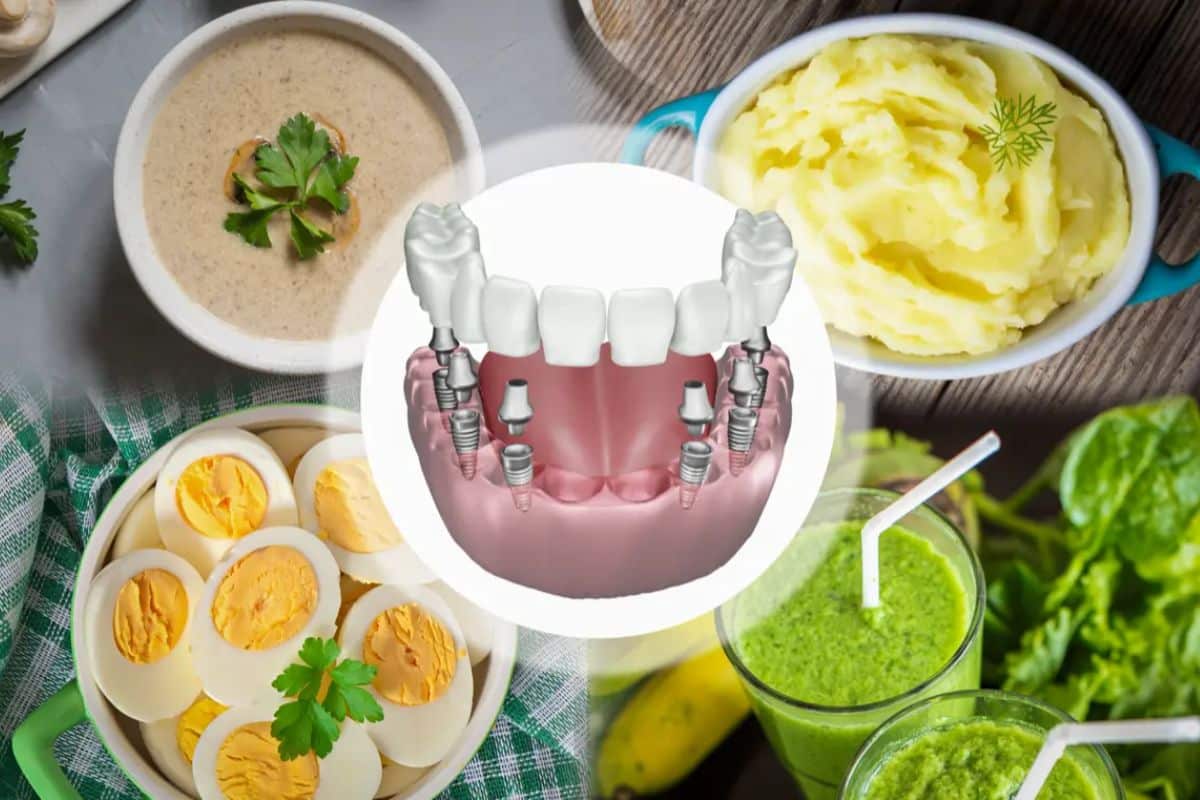
Oral surgery can be uncomfortable, whether for dental implants, wisdom teeth removal, or orthodontic treatment. One of the biggest challenges is managing your diet during recovery. Finding a balance between nourishing your body and accommodating post-surgery discomfort is crucial for a speedy recovery.
The Importance of Nutrition During Recovery and Potential Complications from Poor Diet Immediately after surgery, your dentist might recommend a liquid or soft food diet to minimize irritation to the surgical site. This can be challenging, mainly if you’re used to hearty meals. However, it’s essential to follow these dietary restrictions to avoid complications.
Nutrient-Rich Liquid and Soft Foods
While a liquid diet might seem restrictive, it’s important to remember that there are plenty of nutritious and delicious options available, providing a variety of flavours and nutrients.

Smoothies and Shakes
Smoothies packed with fruits, vegetables, and protein powder can provide essential nutrients. Experiment with different flavours and ingredients to keep your diet interesting.
Soups and Broths
Soups and broths offer warmth and comfort while delivering vital fluids and electrolytes. For easier consumption, opt for clear broths or pureed soups.
Soft Food Options
As your healing progresses, you can gradually introduce softer foods into your diet. Yogurt, pudding, and mashed potatoes are excellent choices. These foods provide necessary nutrients without putting excessive strain on your jaw.
Staying Hydrated
Staying hydrated is crucial during recovery. Water is essential, but you can enjoy clear juices, sports drinks, and herbal teas. Avoid alcohol and caffeinated beverages, as they can dehydrate you.
Listening to Your Body
Remember, everyone heals differently. Listen to your body and adjust your diet accordingly. If a particular food causes discomfort, avoid it. As your mouth heals, you can gradually reintroduce solid foods into your diet, giving you control over your recovery.
Oral Hygiene and Aftercare
Maintaining good oral hygiene is important throughout the recovery process. Gentle brushing, flossing, and regular mouthwash rinses can help prevent infection. However, avoid vigorous brushing or flossing near the surgical site, ensuring you’re taking proactive steps to aid your recovery.
Contact your Las Vegas dentist immediately if you experience severe pain, swelling, or any other unusual symptoms. They can provide guidance and address your concerns.
By prioritizing nutrition and comfort, you can support your body’s healing process and enjoy a smoother recovery. A Las Vegas dentist can offer personalized advice based on your procedure and needs.
Frequently Asked Questions