Call Today for a Free Consultation


Why Does My Filling Hurt When I Bite Down?

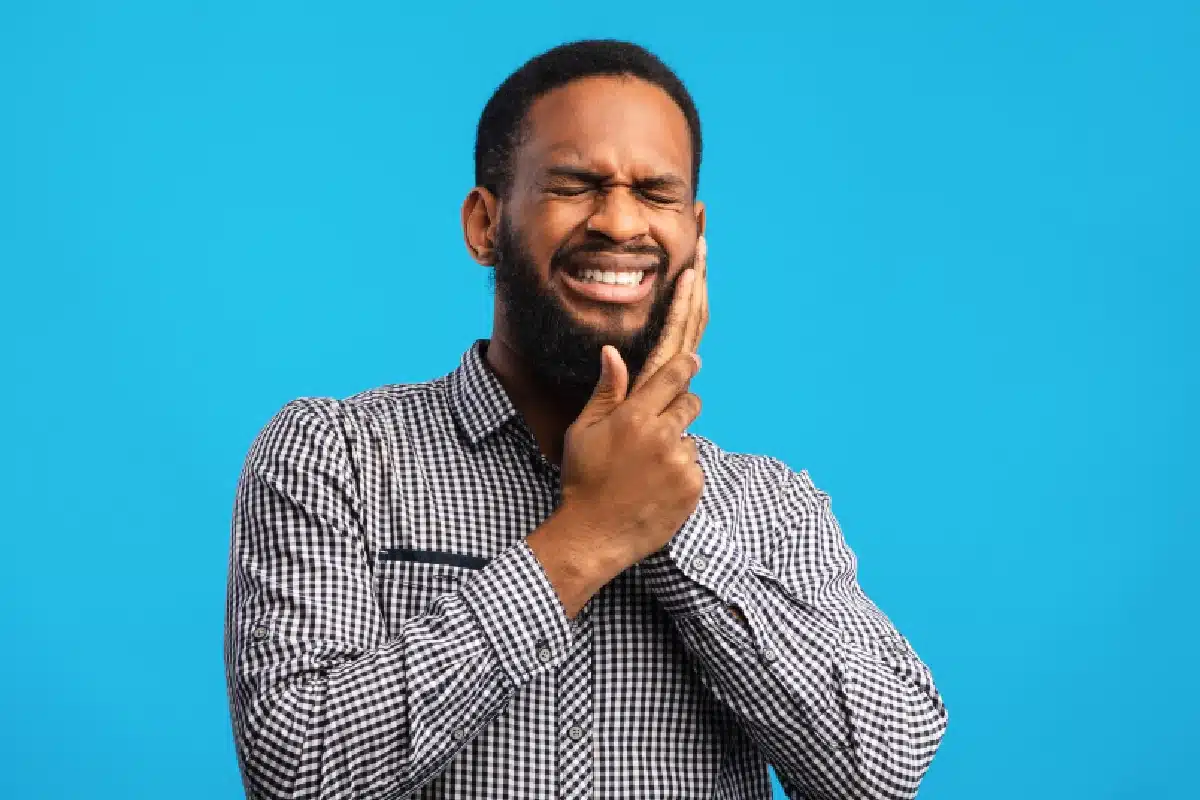
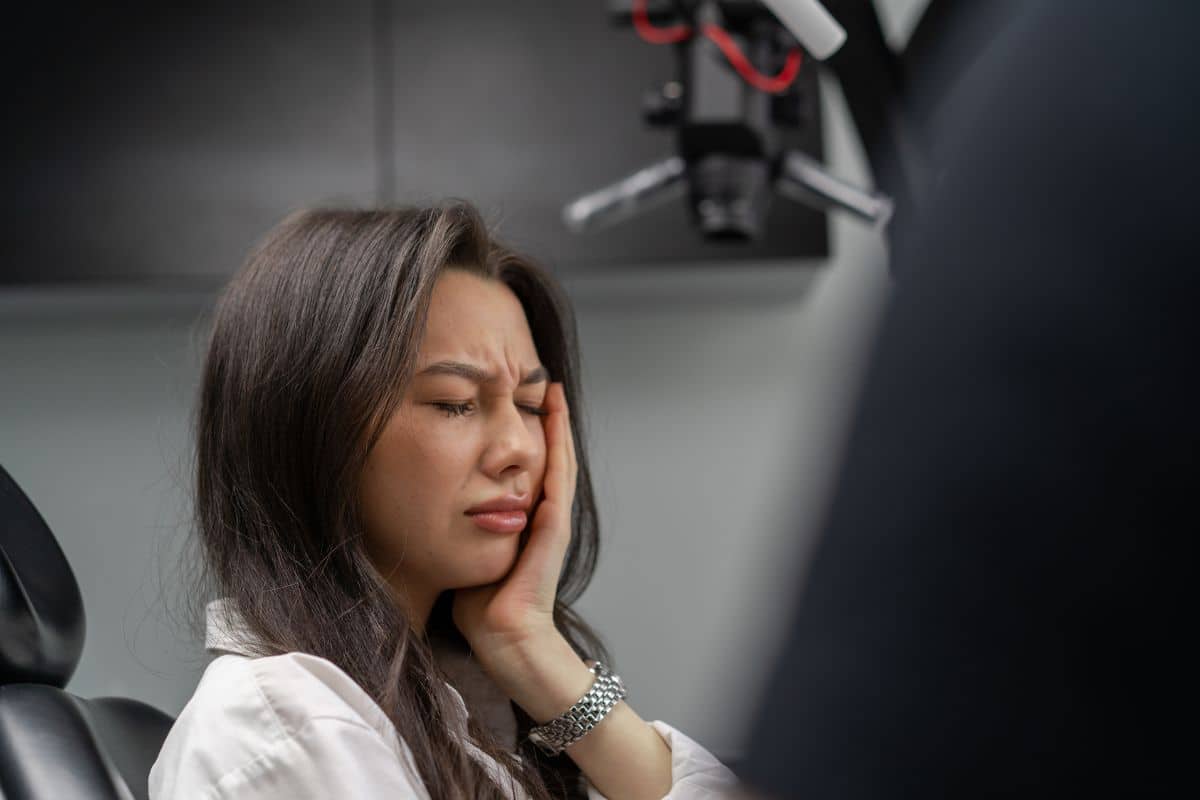
You had a cavity filled, expected the tooth to feel normal again, and then noticed pain when you bite down. This can be concerning, especially when the tooth did not hurt in the same way before the filling.
Some discomfort after a filling is temporary. However, pain that happens specifically when you chew can sometimes point to an issue with the filling, your bite, or the tooth itself. Knowing what may be causing it can help you decide whether the tooth simply needs time to settle or should be checked.
Your Filling May Be Too High
One of the most common reasons a tooth hurts when you bite after a filling is that the restoration is slightly too high.
Your teeth should meet evenly when you close your mouth. If the new filling sits a little higher than the surrounding tooth, it can take more pressure every time you chew.
You may notice that the tooth:
- Hurts when you bite firmly
- Feels like it touches before the other teeth
- Feels uncomfortable when chewing
- Does not hurt much when you are not using it
Your dentist can check your bite and determine whether the filling needs a small adjustment.
The Tooth May Still Be Sensitive
A filling removes decay, but the tooth may need time to recover from the treatment. This is particularly true when the cavity was deep.
You may experience sensitivity when chewing or when eating something hot, cold, or sweet. Mild sensitivity that gradually improves can occur as the tooth settles.
The important thing is whether the symptoms are improving. Pain that becomes stronger, lasts longer than expected, or starts affecting normal eating should be evaluated.
If you want to understand more about how cavities are restored, you can learn about tooth restoration with a dental filling.
A Deep Cavity May Take Longer to Recover
The depth of the original cavity can affect how the tooth feels after treatment.
When decay has reached deeper into the tooth, the tissues inside may remain irritated after the cavity has been removed and filled. This can make the tooth more sensitive than it would be after treatment for a smaller cavity.
That does not necessarily mean the filling has failed. However, the symptoms should gradually become less noticeable rather than increasingly painful.
If pain starts occurring without chewing, becomes severe, or lingers after hot or cold foods, the tooth may need another examination.
Your Bite May Need an Adjustment
Sometimes the filling itself is intact, but the way your teeth meet has changed.
You may notice this as soon as you begin chewing normally. The filled tooth can feel as though it is receiving too much pressure, particularly when you close your teeth firmly.
A dentist can use a bite check to identify whether the filling is contacting the opposing tooth too soon. If it is, a minor adjustment may relieve the pressure and make chewing more comfortable.
When Should You Have It Checked?
Some sensitivity can be part of normal recovery, but persistent pain should not be ignored.
Have the tooth checked if:
- Pain is getting worse instead of better
- You cannot comfortably chew on that side
- Your bite feels different after the filling
- The tooth hurts every time you bite down
- Sensitivity to hot or cold is increasing
- The tooth begins hurting without pressure
- You develop swelling around the tooth or gums
- The discomfort is not gradually improving
These symptoms can have different causes, so the only way to know what is happening is to examine the treated tooth.
What Will Your Dentist Look For?
Your dentist will examine the recently filled tooth and ask about when the pain started and what triggers it.
The examination may include checking the filling, your bite, the tooth’s response to pressure and temperature, and the surrounding gums. An X ray may also be needed if there are concerns that cannot be identified through a visual examination alone.
The findings can help determine whether the filling needs adjustment, whether the tooth is still recovering, or whether additional treatment is necessary.
Frequently Asked Questions
Is it normal for a filling to hurt when I bite down?
Some discomfort can occur after a filling, particularly when the cavity was deep. Pain that continues, becomes worse, or makes chewing difficult should be checked.
Why does my filled tooth hurt only when I chew?
Pain that occurs mainly when biting can be caused by a filling that is slightly high or by irritation within the treated tooth. Your dentist can determine the cause by examining the tooth and checking your bite.
How long should a tooth hurt after a filling?
It depends on the size and depth of the cavity and how the tooth responds to treatment. Mild sensitivity should generally become less noticeable. Increasing or persistent pain warrants an examination.
Can a dentist adjust a filling that is too high?
Yes. If the filling is interfering with your bite, your dentist can make a minor adjustment so the treated tooth does not receive excessive pressure.
Do Not Ignore Pain That Continues
A recently filled tooth may need some time to settle, but persistent pain when biting is not something you should simply tolerate. If the discomfort is worsening or your bite feels different, having the tooth checked can prevent a minor bite problem from continuing unnecessarily.
For patients who need Las Vegas dental care after a filling, Aloha Dental can assess the treated tooth and determine whether the filling, bite, or tooth itself is responsible for the discomfort.
Get the Tooth Checked
If you need to locate the office before your visit, you can find our Las Vegas dental office and get directions.
If the pain is persistent or affecting how you chew, schedule an appointment to have the filled tooth examined.