Call Today for a Free Consultation


Why Does My Tooth Hurt When I Bite Down? Common Causes and What to Do
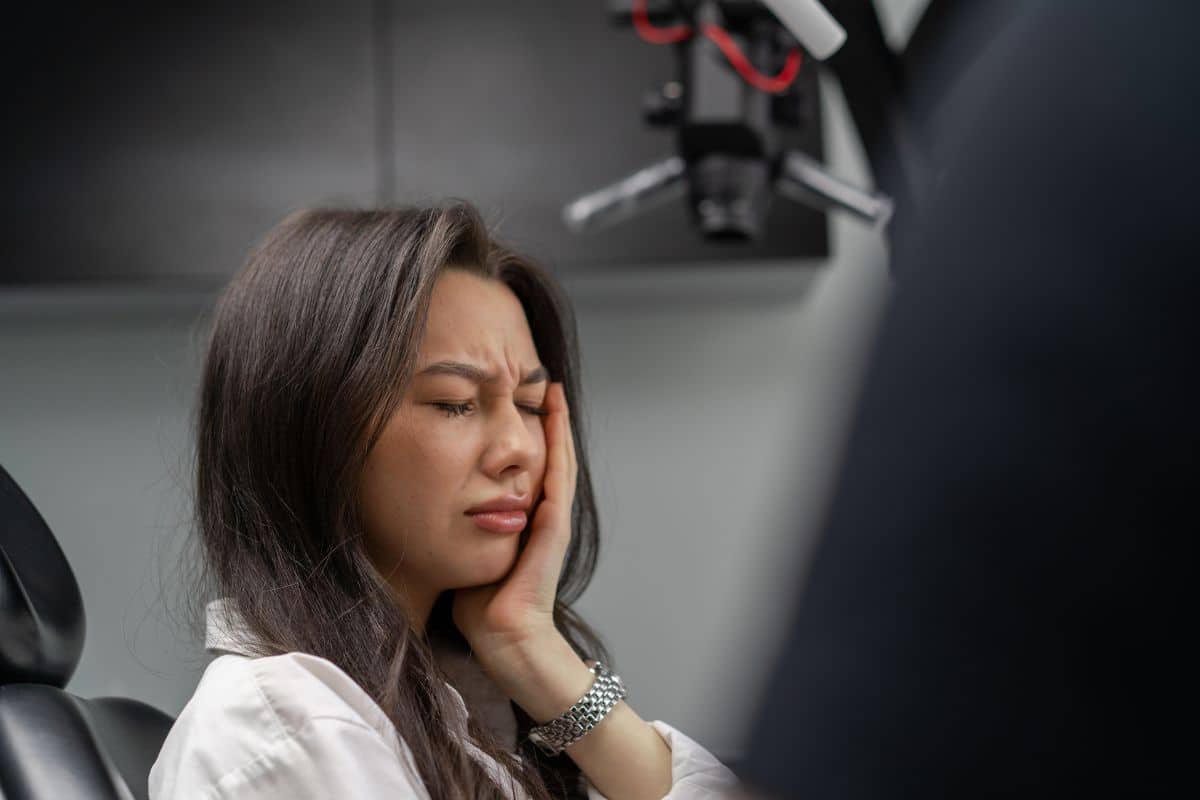
A tooth that hurts when you bite into food can make eating uncomfortable, even when the tooth feels normal the rest of the day. The pain might feel sharp, dull, or like pressure deep inside the tooth. Sometimes it disappears as soon as you stop chewing, while other times it lingers.
Several dental problems can cause this discomfort. Understanding the possible reasons can help you decide when to seek care and what to expect during an examination.
What Causes Tooth Pain When Biting Down?
1. A cracked tooth
A small crack can cause pain when you chew because biting pressure puts stress on the damaged area. You might notice a sharp sensation when biting down or releasing your bite. Some cracks are difficult to see without a dental examination, so the absence of visible damage does not rule them out.
2. A cavity that has progressed
Tooth decay can weaken the tooth and eventually irritate the soft tissue inside it. As decay advances, chewing may trigger pain alongside sensitivity to hot, cold, or sweet foods. A dentist can determine how far the decay has progressed and whether the tooth needs a filling or more involved treatment.
3. A filling or crown that feels too high
If discomfort begins shortly after a filling or crown, the restoration may interfere with your normal bite. One tooth might contact its opposing tooth too early, placing extra pressure on it. A dentist can check your bite and adjust the restoration when appropriate.
4. Inflammation or infection around the root
Inflammation inside a tooth or an infection near its root can make chewing painful. You might also experience throbbing, swelling, a bad taste, or lingering sensitivity. These symptoms deserve prompt dental attention.
5. Teeth grinding or clenching
Repeated clenching can strain the teeth and surrounding tissues. You may notice soreness when chewing, a tight jaw when waking up, or flattened tooth surfaces. A dental examination can help identify signs of grinding and determine whether a protective mouthguard could help.
What Should You Do If Chewing Hurts?
Avoid chewing on the painful side and choose softer foods until you can have the tooth evaluated. Do not repeatedly bite down to test the pain, and avoid extremely hot or cold foods if they trigger discomfort.
Arrange a dental examination if the pain persists, returns regularly, or interferes with eating. Facial swelling, fever, or worsening pain can indicate an infection that needs urgent attention. Seek emergency medical care if swelling makes breathing or swallowing difficult.
A dentist can assess the tooth, examine your bite, and use dental imaging when needed to identify the cause. Treatment depends on the findings and may involve adjusting a restoration, repairing a crack, treating decay, or addressing an infection. If the tooth’s inner pulp becomes infected or damaged, root canal treatment may help remove the affected tissue and preserve the natural tooth.
For more guidance about possible causes and treatment, you can consult a dental clinic who can evaluate tooth pain and help determine the next step.
Get Help for Tooth Pain
If chewing has become uncomfortable, do not wait for the problem to interfere with your daily routine.
Aloha Dental is here to help you address tooth pain and protect your oral health. Schedule an appointment to discuss your symptoms and find out which treatment may be right for you.
Frequently Asked Questions
1. Why does my tooth hurt when I bite down but not when I eat soft foods?
Hard or crunchy foods place more pressure on your teeth, which can make a crack, cavity, damaged filling, or inflammation more noticeable. If pain occurs repeatedly when biting, have the tooth examined rather than avoiding certain foods indefinitely.
2. Why does my tooth hurt when I bite down but there is no swelling?
Swelling is not always present when a tooth hurts during chewing. A small crack, early infection, cavity, or uneven bite can cause discomfort without visible swelling. A dental examination can help identify the underlying problem.
3. Can a cracked tooth heal on its own?
A cracked tooth generally cannot repair itself like a broken bone. Depending on the location and severity of the crack, treatment may involve a filling, crown, or root canal. Early evaluation can help prevent further damage.
4. Why does my tooth hurt when I bite down after getting a filling or crown?
Some temporary sensitivity can occur after dental treatment. However, pain when biting may also mean the restoration is slightly too high or the tooth needs further evaluation. Contact your dentist if the pain persists, worsens, or makes chewing difficult.
5. When should I see a dentist for tooth pain when biting?
Arrange a dental appointment if the pain keeps returning, lasts more than a day or two, or interferes with eating. Seek prompt care for severe or worsening pain, fever, pus, or facial swelling. If swelling affects breathing or swallowing, seek emergency medical care immediately.