Call Today for a Free Consultation


Braces With Missing Teeth or Molars: What You Should Know

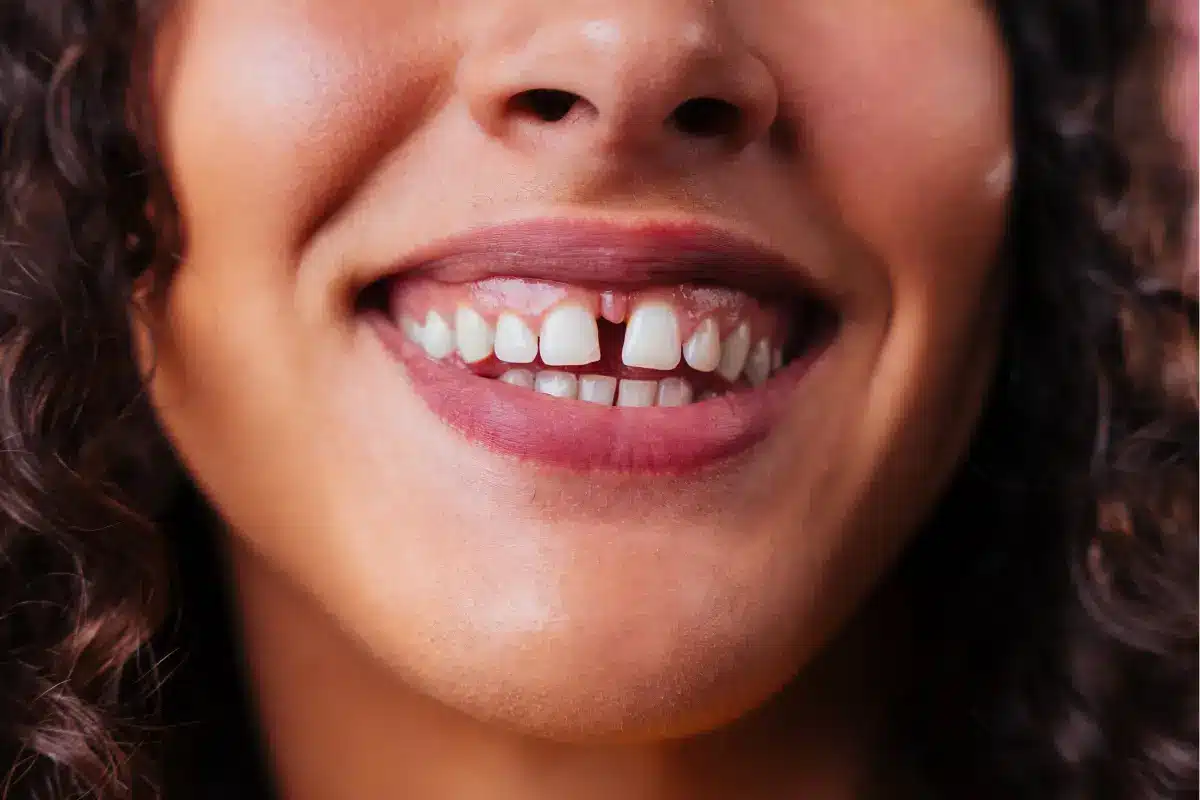
Missing teeth or molars can make you second-guess whether braces are even an option. After all, how can you straighten teeth when some are no longer there? The idea of getting orthodontic treatment with gaps in your smile may seem complicated, but it’s actually more common than you might think.
Braces work even if you have one or more missing teeth. They help realign the surrounding teeth, close unwanted spaces, prevent future shifting, and prepare your mouth for dental restorations like implants or bridges.
In this blog, Aloha Dental explains how braces work with missing teeth, what your treatment options look like, and when it’s the right time to consider orthodontics.
Why You Might Need Braces Even With Missing Teeth
Because you’re missing a tooth, it doesn’t mean you can not get orthodontic care. Gaps in your smile can sometimes create even more reasons to consider braces. When a tooth is lost, the surrounding teeth often drift into the empty space, throwing off your bite and making it harder to keep everything aligned. You might also be planning to replace that tooth in the future, and braces can help make sure there’s enough room to do it properly.
Here’s why orthodontic treatment might be recommended even with gaps in your smile:
- To close small gaps caused by a missing tooth.
- To create space for a future dental implant or bridge.
- To prevent remaining teeth from shifting into empty spaces.
- To correct bite alignment affected by missing molars or premolars.
- To improve facial symmetry and overall dental function.
How Braces Help When You Have Gaps in Your Teeth
Losing a tooth doesn’t just leave a space—it can slowly affect your entire bite. Teeth around the gap may begin to drift, twist, or lean, which throws off your alignment and makes future dental work harder.
Instead of just straightening teeth for cosmetic reasons, braces can be used to:
- Close the space entirely, eliminating the need for a replacement.
- Shift teeth strategically to make room for a dental implant.
- Align your bite so your jaws and remaining teeth function more comfortably.
Each case is unique, so your orthodontist will customize your treatment plan based on how many teeth are missing, where the gaps are, and your long-term dental goals.
What Happens If You’re Missing a Molar?
Molars play a major role in chewing and jaw alignment, so missing one or more can affect how your upper and lower teeth fit together. If you’re missing a molar, your dentist might recommend using braces to:
- Stabilize nearby teeth and keep them from tilting or shifting.
- Reopen the space if teeth have already moved into the gap.
- Prepare the jaw for an implant or other type of restoration.
In some cases, your orthodontist may use appliances or temporary anchors to help guide tooth movement when molars are missing. With today’s technology, these options are safe, effective, and minimally invasive.
Will You Need a Tooth Replacement After Braces?
Not always, but sometimes, yes. If a gap is too large to close with braces, your orthodontist may recommend a tooth replacement after your teeth have been realigned. Options might include:
- Dental implants – a permanent, natural-looking replacement for a missing tooth.
- Dental bridges – which fill the space using a false tooth supported by adjacent teeth.
- Partial dentures – a removable option used when multiple teeth are missing.
Your dentist will ensure the final results are both functional and aesthetically pleasing and not causing any issue with your orthodontic results.
Can Clear Aligners Like Invisalign Work With Missing Teeth?
Absolutely. Invisalign and other clear aligner systems can often be used even if you’re missing a tooth. Aligners are custom-designed to fit your unique smile, including any gaps, and can still guide your remaining teeth into better positions.
That said, complex cases, especially those involving missing molars, may benefit more from traditional braces or a hybrid approach. Your dentist will evaluate which option works best for your needs.
When Should You Consider Braces With Missing Teeth?
You may want to consider orthodontics if:
- Your bite feels uneven or uncomfortable.
- You notice teeth shifting into empty spaces.
- You’re planning on getting dental implants or bridges.
- You want to restore your smile’s appearance and function.
In most cases, it’s best to get your teeth aligned first, braces can make it easier to replace a missing tooth later with something like a dental implant or bridge that fits the way it’s supposed to.
Looking for Orthodontic Care in Las Vegas? Aloha Dental is Here for You
At Aloha Dental Las Vegas, Dr. Mitra Nikpour and the team understand the importance of creating a customized treatment plan, when you’re dealing with missing teeth. Whether you are looking for orthodontic care or preparing for future dental work, we’re here to guide you every step of the way.
Contact our team today to schedule a consultation. We’ll evaluate your needs and help you explore your best options for a healthy, confident smile.