Call Today for a Free Consultation


Why Do I Have a Gap Between My Front Teeth?
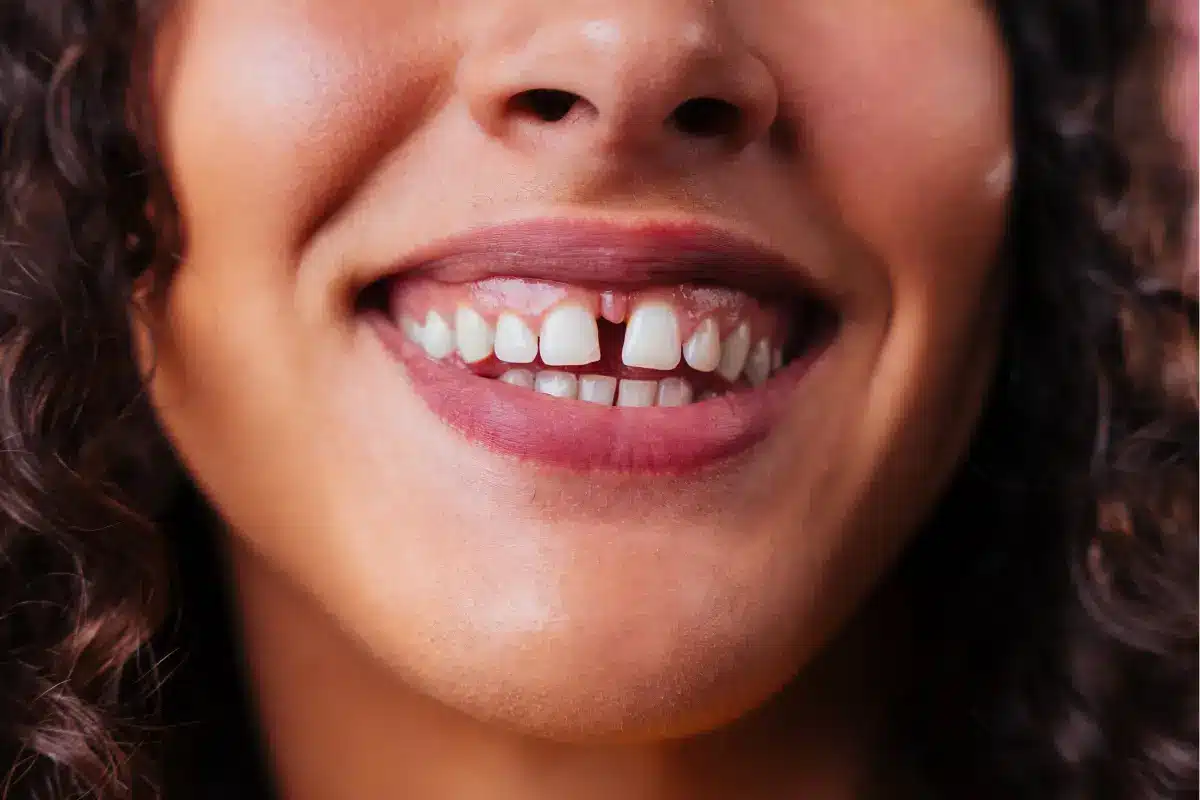
A gap between the two front teeth is common, but the reason behind it can vary. Some people have always had a space because of the way their teeth and jaw developed. Others notice a gap after their teeth begin shifting.
In dentistry, a space between teeth is called a diastema. When the gap has been present for years and the surrounding teeth and gums are healthy, it is often related to tooth alignment, tooth size, or the amount of space available in the jaw.
Is a Gap Between Front Teeth an Orthodontic Problem?
Often, yes. Teeth spacing is commonly considered an orthodontic concern because the position of the teeth, their size, and the relationship between the upper and lower jaws can affect how much space appears between them.
For example, if your front teeth are relatively small compared with the available space in your jaw, a gap may remain even though the teeth themselves are healthy. The position of nearby teeth can also influence the amount of visible spacing.
If your gap has been present since childhood and has stayed about the same size, alignment is more likely to be part of the explanation.
What Else Can Cause a Gap?
Orthodontic factors are not the only possible explanation. Several other conditions can contribute to spacing.
A Large Frenum
A small fold of tissue called the labial frenum connects your upper lip to the gum above your front teeth. If this tissue extends between the front teeth, it can contribute to a persistent space.
Missing or Small Teeth
A missing permanent tooth can leave extra room for nearby teeth to move. Some people also naturally have teeth that are smaller than expected, which can leave noticeable spaces in the smile.
Childhood Habits
Thumb sucking, prolonged pacifier use, and certain tongue movements can influence how the front teeth develop and position themselves. These effects depend on how frequently the habit occurs and how long it continues.
Gum Disease
Gum disease is an important consideration when a gap develops later in life or starts getting wider. Advanced gum disease can affect the tissues and bone that support your teeth, allowing teeth to shift and create new spaces.
This is why a new gap should not automatically be treated as an alignment issue. If you also have bleeding gums, swelling, loose teeth, or changes in your bite, a dental care provider can examine the area before you consider ways to close the space.
Can a Gap Between Front Teeth Be Closed?
The answer depends on why the gap exists. When spacing results from tooth position or bite alignment, orthodontic care may be used to gradually move the teeth into a better position. The approach depends on the size of the space, the surrounding teeth, your bite, and your overall oral health.
For some people, teeth alignment options may be appropriate. However, closing a gap should not be viewed as simply moving two teeth closer together. Your provider needs to consider the roots, gums, bite, and supporting structures before deciding how the teeth should move.
What If the Gap Is Getting Bigger?
A gap that has suddenly appeared or continues to widen deserves attention. Changes in gum support, tooth movement, missing teeth, or other oral health problems can cause spacing to change over time.
The timing matters. A small gap that has looked the same for years is different from a space that appeared recently. Your dental history and an examination can help determine whether the change is primarily related to alignment or something affecting the health of your teeth and gums.
When Should You Have a Gap Checked?
Consider having the area examined if the gap is new, becoming larger, or accompanied by bleeding gums, swelling, loose teeth, pain, or changes in your bite.
You do not necessarily need to close a gap simply because it is visible. Some spaces are harmless and may not require treatment. The important step is understanding why the space is there before deciding what, if anything, you want to do about it.
Understand What Is Behind Your Gap
A space between your front teeth can be a simple part of your natural smile or a sign that your teeth have shifted. Looking at the cause is more useful than focusing on the gap itself.
If you have noticed a new space or want to understand whether alignment is contributing to it, schedule an appointment for an evaluation.
Aloha Dental in Las Vegas can examine your teeth and gums and help determine what may be contributing to the spacing.
Frequently Asked Questions
1. Is a gap between my front teeth an orthodontic problem?
It can be. Many gaps are related to tooth alignment, tooth size, jaw development, or spacing. An examination can determine whether alignment is contributing to the gap.
2. Can gum disease cause a gap between front teeth?
Yes. Gum disease can damage the tissues and bone supporting the teeth. As support changes, teeth may shift and spaces can develop or become wider.
3. Why did I suddenly develop a gap between my front teeth?
A new gap can result from tooth movement, changes in gum support, a missing tooth, or other changes affecting the position of the teeth.
4. Does every gap between front teeth need to be closed?
No. Some gaps are simply part of a person’s natural smile and do not require correction. The cause, oral health, bite, and personal concerns all matter when considering treatment.