Call Today for a Free Consultation


7 Signs Your Child May Need Early Orthodontic Treatment

Parents often notice small changes in their child’s teeth long before a dentist or orthodontist points them out. A slight crowding of teeth, a bite that doesn’t look quite right, or habits like thumb-sucking can all raise questions about whether orthodontic care might be needed.
Early orthodontic treatment focuses on identifying and guiding a child’s dental development while the jaw and teeth are still growing. Addressing certain issues at the right time can help prevent more complex problems later. In many cases, an early evaluation allows dental professionals to monitor development and intervene only when necessary.
Why Early Orthodontic Evaluation Matters
Children’s teeth and jaws change quickly during their early school years. Around age seven, most children have a mix of baby teeth and permanent teeth, which allows dental professionals to detect alignment issues that may not be obvious earlier.
At this stage, problems involving jaw growth, crowding, and bite alignment often become visible. Early orthodontic treatment – sometimes called Phase One orthodontics – can guide the development of the jaw and create enough space for permanent teeth to erupt properly.
Not every child requires early treatment. In many cases, monitoring growth over time is all that’s needed. However, recognizing the warning signs early helps parents avoid situations where problems become more complicated during the teenage years.
1. Crowded or Crooked Teeth
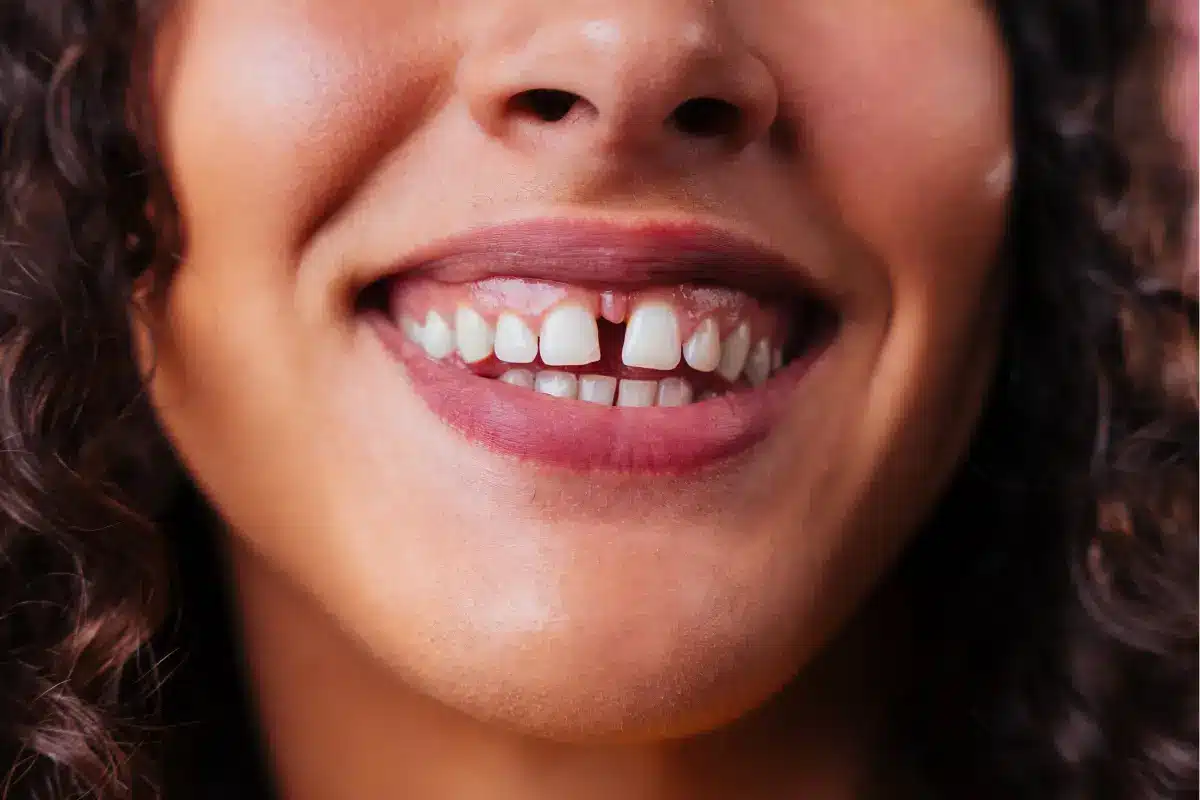
Crowding is one of the most common orthodontic concerns in children. If your child’s teeth appear overlapping, twisted, or growing in unusual positions, it may indicate that there is not enough space in the jaw for permanent teeth.
Crowded teeth can make brushing and flossing difficult, increasing the risk of cavities and gum irritation. Early orthodontic guidance may help create space so incoming teeth can align more naturally as they erupt.
Parents often notice this issue when new permanent teeth begin appearing behind or in front of baby teeth.
2. Early or Late Loss of Baby Teeth
Baby teeth serve an important purpose beyond helping children chew and speak. They act as placeholders for permanent teeth, guiding them into their correct positions.
If a child loses baby teeth much earlier or later than expected, nearby teeth may shift into the empty space. When permanent teeth eventually erupt, they may not have enough room.
An orthodontic evaluation can determine whether a space maintainer or monitoring plan is necessary to keep the developing smile on track.
3. Bite Problems (Overbite, Underbite, or Crossbite)
A child’s bite should allow the upper and lower teeth to come together comfortably. When the teeth or jaw do not align properly, it can lead to several types of bite problems:
- Overbite – upper front teeth extend too far over the lower teeth
- Underbite – lower teeth sit in front of the upper teeth
- Crossbite – upper teeth fit inside the lower teeth when biting
These bite irregularities can affect chewing, speech, and jaw development. Early orthodontic treatment may help guide the jaw as it grows, making correction easier than waiting until adulthood.
4. Difficulty Chewing or Biting Food
Children rarely complain directly about chewing problems. Instead, parents may notice subtle habits such as:
- chewing mostly on one side of the mouth
- avoiding certain foods
- frequently biting the inside of the cheeks
These behaviors can sometimes indicate that the teeth are not aligning properly when the child bites down. Addressing bite problems early may improve comfort and prevent unnecessary wear on certain teeth.
5. Persistent Mouth Breathing
Breathing through the mouth instead of the nose may seem harmless, but persistent mouth breathing can influence jaw and facial development over time.
Children who breathe primarily through their mouths may develop:
- narrow dental arches
- crowded teeth
- changes in facial growth patterns
While mouth breathing can have several causes, dental professionals often evaluate the structure of the jaw and palate when this habit is present.
6. Speech Difficulties Linked to Tooth Alignment
Certain speech sounds require the tongue to make precise contact with the teeth or palate. When teeth are significantly misaligned, children may struggle with sounds such as “s,” “th,” or “sh.”
While many speech issues resolve naturally as children grow, persistent speech difficulties sometimes relate to bite alignment or jaw development.
In these situations, an orthodontic evaluation can help determine whether tooth positioning is contributing to the problem.
7. Thumb-Sucking or Oral Habits Beyond Age Five
Thumb-sucking and pacifier use are common during early childhood. However, when these habits continue beyond age five, they can influence how the teeth and jaw develop.
Prolonged thumb-sucking may lead to:
- protruding front teeth
- open bite (front teeth do not touch when biting down)
- narrowing of the upper jaw
Early orthodontic guidance may help correct developing alignment problems caused by these habits.
What Happens During an Early Orthodontic Evaluation
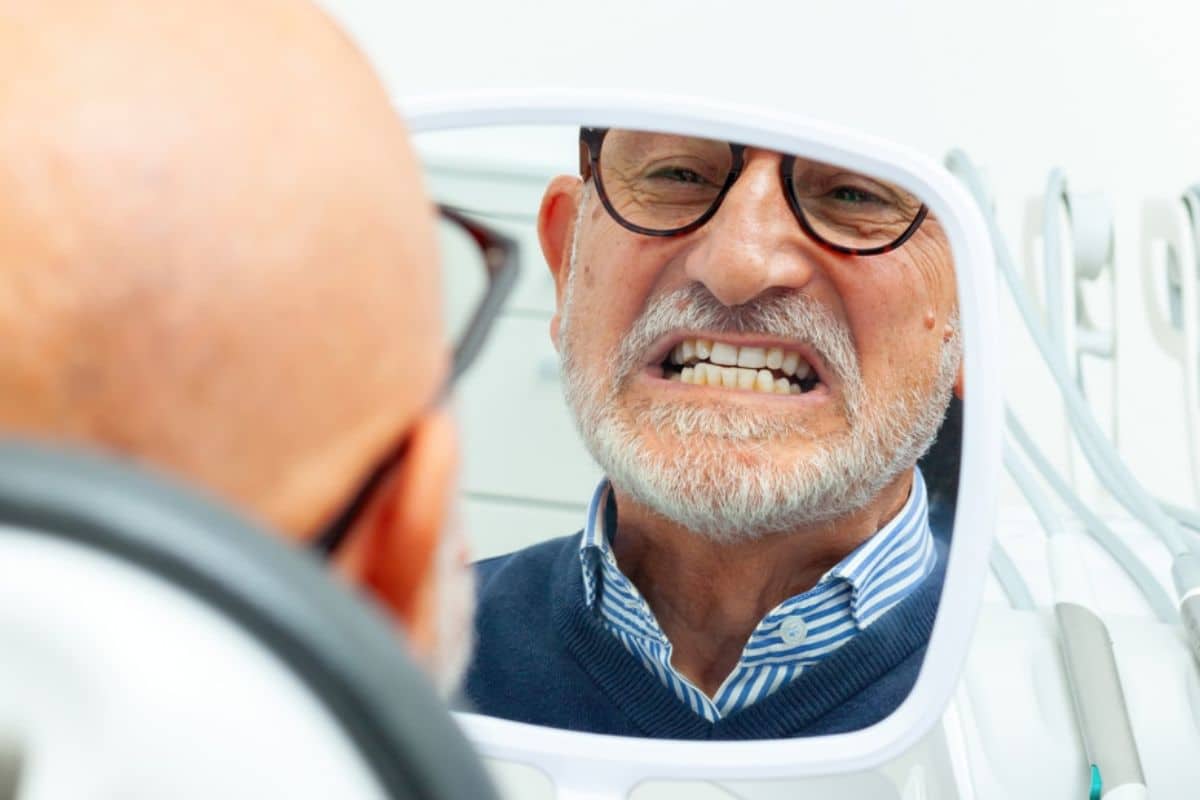
An orthodontic evaluation for a child is typically simple and comfortable. The visit usually involves examining the teeth, jaw alignment, and facial structure to assess how the smile is developing.
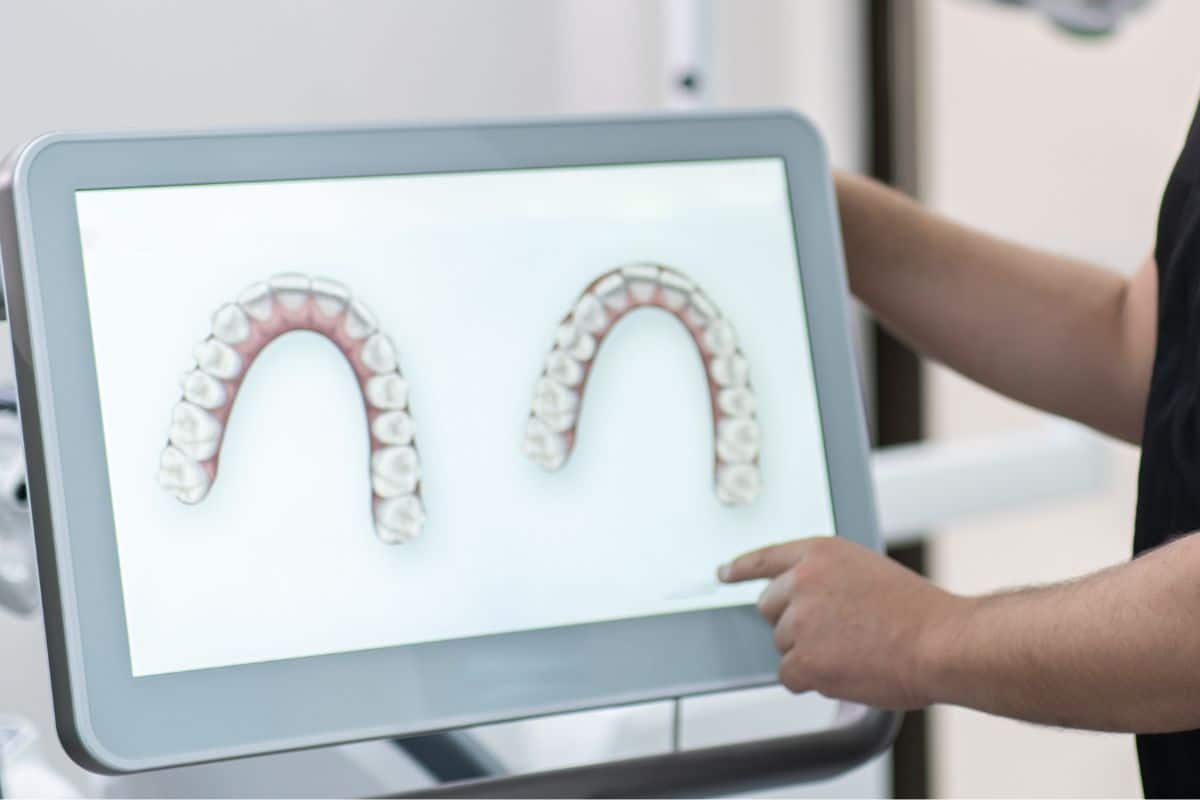
Digital X-rays or scans may be used to see how permanent teeth are forming beneath the gums. This allows dental professionals to detect potential crowding, impacted teeth, or bite concerns before they fully develop.
Depending on the findings, one of three approaches is usually recommended:
- Monitoring growth and scheduling periodic check-ups
- Early orthodontic treatment to guide jaw development
- Waiting until more permanent teeth erupt before beginning treatment
How Early Orthodontic Treatment Helps Guide Development
Children’s jaws are still growing during their elementary school years. This natural growth can make certain orthodontic corrections easier compared to treating the same issues later.
Early treatment may help:
- guide jaw growth
- create space for permanent teeth
- reduce severe crowding
- correct bite problems while the jaw is flexible
In some cases, early treatment shortens or simplifies orthodontic care during the teenage years. For many children across neighborhoods like Enterprise, The Lakes, and Mountain’s Edge, early monitoring helps ensure their smiles develop in a healthy direction.
Schedule Your Child’s Orthodontic Evaluation at Aloha Dental
If you’ve noticed signs such as crowded teeth, bite problems, or prolonged thumb-sucking, an orthodontic evaluation can help determine whether early treatment may benefit your child’s dental development. Call us at (702) 242-6777 to schedule your child’s orthodontic consultation.
At Aloha Dental, we help families across Las Vegas communities understand how their children’s teeth and jaws are developing and whether early orthodontic guidance is necessary.