Call Today for a Free Consultation


What Habits Can Affect a Child’s Bite and Jaw Development?

When you think about what shapes your child’s smile, genetics probably come to mind first. But while DNA plays a role, everyday habits can have just as much impact, especially when it comes to how your child’s bite develops.
Things like thumb sucking, mouth breathing, or even how your child sleeps can affect how their jaws grow and how their teeth align.
In this blog, Aloha Dental will explain how common lifestyle habits can change your child’s bite, and what you can do to protect their growing smile here in Las Vegas.
How a Misaligned Bite Can Impact Your Child Long-Term
Bite refers to how your upper and lower teeth come together when you close your mouth. A healthy bite keeps your teeth, jaw joints, and facial muscles in balance. It’s important for chewing, speaking, and preventing long-term dental problems like TMJ or tooth wear.
When a bite isn’t aligned correctly, it is called ‘malocclusion’ that can lead to:
- Crooked or crowded teeth
- Jaw pain or clicking
- Breathing or speech issues
- Higher risk of tooth decay and gum disease
This is why it’s so important to understand when something in your child’s daily routine might be affecting their bite.
Common Habits That May Be Impacting Your Child’s Bite
1. Thumb Sucking or Pacifier Use (Beyond Age 3–4)
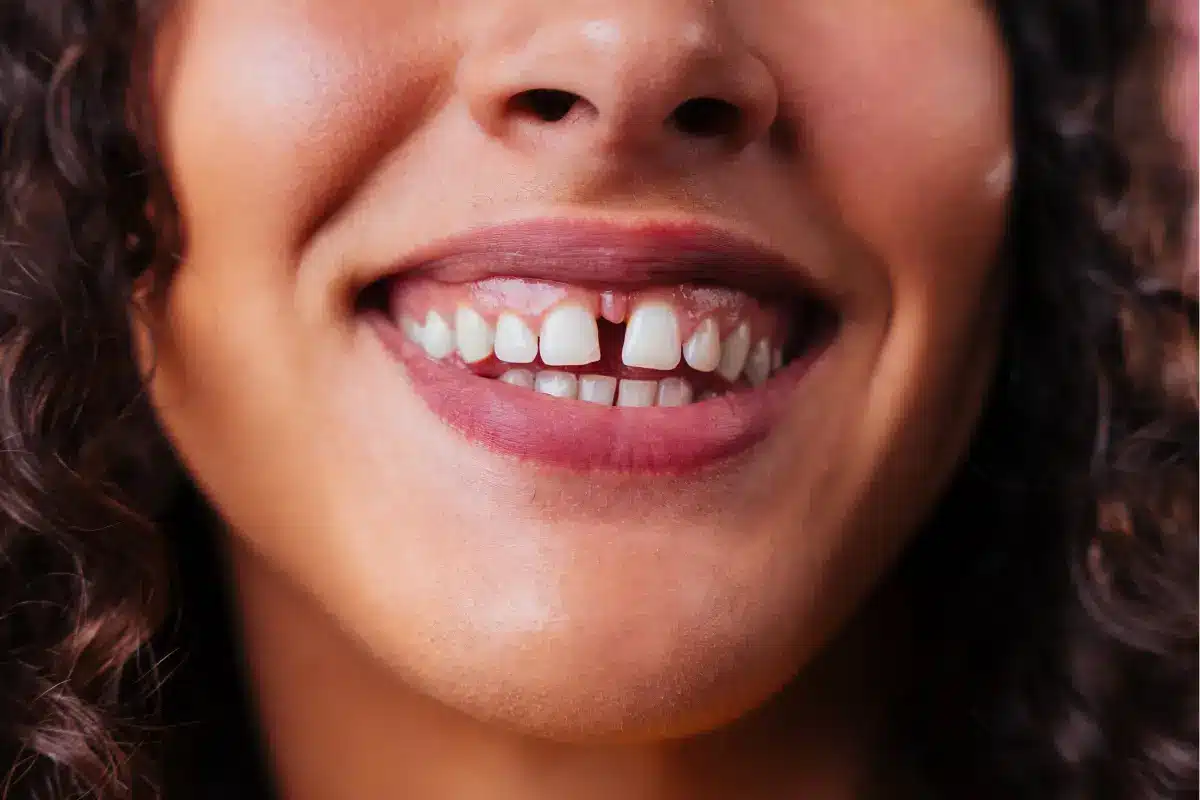
While soothing in early infancy, prolonged thumb sucking or pacifier use can put pressure on the upper front teeth and palate. This often leads to an open bite or overbite, where the teeth don’t meet correctly.
If the habit continues after permanent teeth begin to come in, the effects can be more difficult to correct without orthodontic help.
2. Mouth Breathing
Mouth breathing, especially at night, may seem harmless, but over time it can influence jaw and facial development. Children who breathe through their mouth rather than their nose are more likely to develop:
- Long, narrow faces
- Underdeveloped upper jaws
- Crowded teeth or crossbites
Mouth breathing can be a sign of allergies, enlarged tonsils, or other airway issues that should be evaluated.
3. Tongue Thrusting
This habit involves pushing the tongue against the front teeth when swallowing or speaking. Over time, it can cause an open bite or spacing issues, especially in the front teeth. Tongue thrusting can also affect speech clarity and often goes unnoticed until orthodontic problems appear.
4. Poor Posture or Sleeping Position
Believe it or not, posture can affect your child’s bite. Consistently resting the head on one hand, slouching, or sleeping face-down can put uneven pressure on the jaw as it develops. Over time, this may lead to asymmetrical growth or bite misalignment.
5. Bottle Feeding for Too Long
Extended bottle feeding (especially past 18–24 months) may contribute to bite issues similar to those caused by pacifier use. It can also delay the transition to chewing, which is important for natural jaw development.
Signs Your Child’s Bite Might Be Off
You don’t need to be a dentist to spot signs of a developing bite issue. Keep an eye out for:
- Front teeth that don’t touch when biting down
- Lower jaw sticking out farther than the upper
- Teeth that seem crowded or crooked
- Speech difficulties or lisping
- Chronic mouth breathing or snoring
- Jaw clicking or popping
The earlier these signs are caught, the easier they are to manage.
When Should You See an Orthodontist?
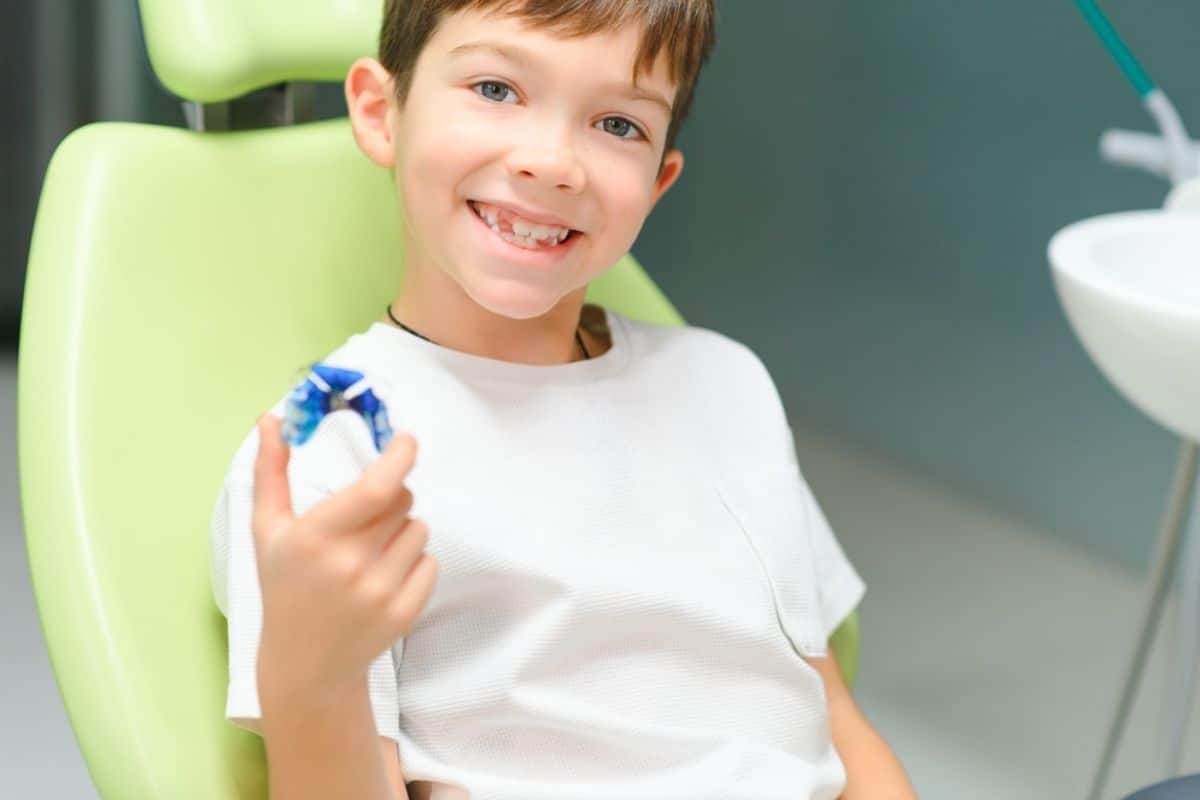
The American Association of Orthodontists recommends an orthodontic evaluation by age 7, even if your child’s teeth look straight. By this age, their jaw growth patterns are becoming more noticeable, and early intervention can guide development before problems become more serious.
You don’t have to wait until your child needs braces to see an orthodontist. If you’ve noticed things like thumb sucking, crowded teeth, or mouth breathing, consult with your local orthodontist.
What Can Parents Do?
A lot of the habits that affect bite development start at home, often without anyone realizing it. While you can’t control everything, there are a few practical ways to help your child’s smile grow the right way:
- Encourage nasal breathing and treat allergies early
- Wean off pacifiers and thumb sucking by age 3–4
- Monitor speech patterns and seek therapy if needed
- Make sure your child’s sleeping position supports their neck and jaw
- Schedule regular dental checkups to track growth
Good habits build a strong foundation—not just for a healthy smile, but for overall wellbeing.
Get Orthodontic Support For Your Child’s Smile at Aloha Dental in Las Vegas
At Aloha Dental Las Vegas, we see a wide range of bite concerns in growing kids—some caused by genetics, others linked to everyday habits. Dr. Mitra Nikpour takes the time to understand what’s going on and recommend the right steps, whether your child needs early treatment or regular monitoring.
If you’ve noticed changes in your child’s bite or want expert advice on how to support their growing smile, contact us for orthodontic consultation. A quick visit can clear up your concerns and help you decide if any steps are needed.
FAQs
1. Can thumb sucking really change how my child’s teeth grow?
Yes, especially if the habit continues past the age of 3 or 4. Thumb sucking puts pressure on the roof of the mouth and front teeth, which can lead to an open bite or overbite. The longer the habit continues, the more likely it is to affect jaw development.
2. Is mouth breathing something to worry about?
It can be. Mouth breathing, especially at night, may be a sign of underlying issues like allergies or enlarged tonsils. Over time, it can influence how the jaws grow and lead to bite problems. It’s a good idea to bring it up during your child’s dental or pediatric visits.
3. At what age should my child stop using a pacifier?
Ideally, pacifier use should be phased out by age 3. Long-term use can impact how the front teeth come together and affect jaw growth, especially as permanent teeth begin to emerge.
4. How do I know if my child needs to see an orthodontist?
If you notice crowded teeth, mouth breathing, thumb sucking, or changes in how the teeth come together, it’s worth scheduling a visit. An orthodontic evaluation around age 7 is a good way to spot issues early, even if no treatment is needed yet.