Call Today for a Free Consultation


Common Myths and Misconceptions About Laser Dentistry
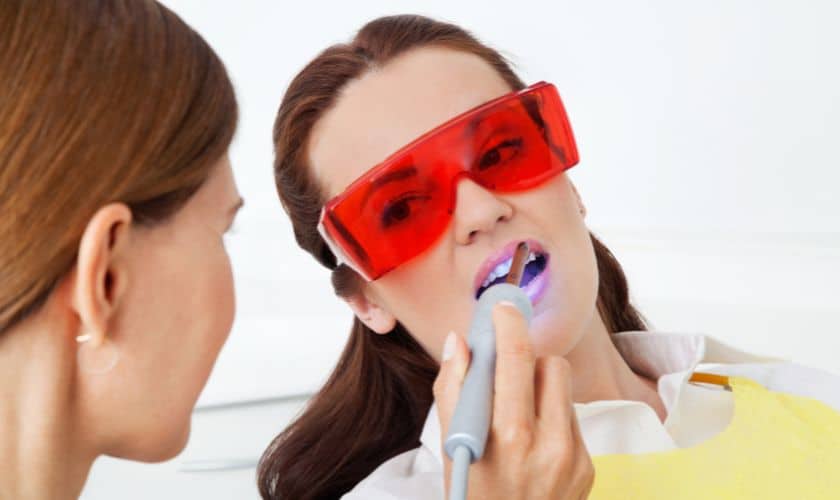
Laser dentistry has revolutionized the field of oral care, offering patients a less invasive and more precise approach to various dental procedures. However, with innovation often comes misinformation.
Common myths and misconceptions surrounding laser dentistry:
Myth 1: Laser Dentistry Is Only for Advanced Procedures:
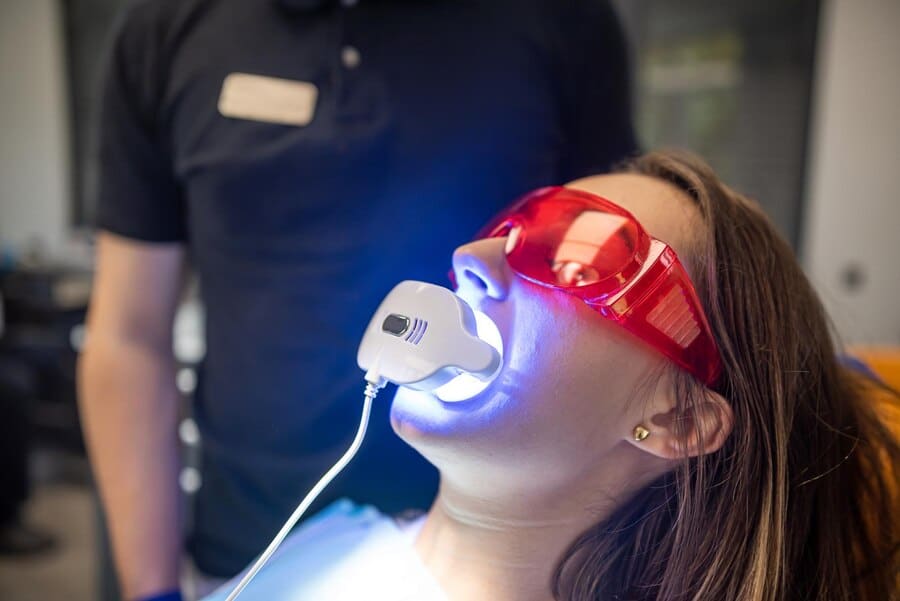
Reality: While laser dentistry is highly effective for complex procedures, it is also used for routine dental treatments. From cavity detection to teeth whitening, lasers are versatile tools that cater to a wide range of dental needs.
Myth 2: Laser Dentistry Is Painful:
Reality: One of the primary advantages of laser dentistry is its ability to reduce pain and discomfort. Lasers can minimize the need for anesthesia, and patients often experience less post-operative pain and swelling compared to traditional methods.
Myth 3: Laser Dentistry Can Damage Teeth:
Reality: Laser dentistry is precise and targeted, minimizing the risk of damage to surrounding healthy tissue. Dental lasers are designed to selectively target specific areas, making them safe and effective for a variety of procedures.
Myth 4: Laser Dentistry Is Experimental:
Reality: Laser dentistry is not a novel or experimental technique. It has been extensively researched, and its safety and efficacy have been proven in various clinical studies. Many dental professionals around the world have incorporated lasers into their practices for years.
Myth 5: Lasers Can Replace Traditional Dental Tools Entirely:
Reality: While lasers are incredibly useful, they don’t replace all traditional dental tools. Lasers often work in conjunction with traditional methods to provide comprehensive and personalized treatment plans tailored to each patient’s needs.
Myth 6: Laser Dentistry Is Expensive:
Reality: The cost of laser dentistry varies depending on the procedure and the type of laser used. In some cases, the precision and efficiency of laser treatments may offset costs associated with traditional methods, leading to a comparable overall expense.
Myth 7: Lasers Can’t Treat Gum Disease Effectively:
Reality: Lasers are highly effective in treating gum disease. They can precisely remove infected tissue, promote gum reattachment, and stimulate healing. Laser dentistry is often considered less invasive and more comfortable for patients undergoing periodontal procedures.
Myth 8: Dental Lasers Generate Excessive Heat:
Reality: Modern dental lasers are designed to minimize heat production, ensuring the patient’s comfort and safety. The precision of lasers allows for targeted treatment without causing unnecessary heat-related issues.
Myth 9: Laser Dentistry Is Not Regulated:
Reality: Laser dentistry is subject to regulatory standards and guidelines. Dental professionals using lasers undergo specific training to ensure the safe and effective use of this technology in patient care.
Myth 10: Laser Dentistry Has Limited Applications:
Reality: Laser dentistry is versatile and has a broad range of applications. From cosmetic procedures like teeth whitening to surgical interventions like gum reshaping, lasers play a pivotal role in modern dental practices.
Conclusion:
Understanding the reality of laser dentistry is essential for patients seeking informed oral care decisions. By dispelling these common myths, we hope to encourage a more accurate and positive perception of the benefits that laser technology brings to the field of dentistry. As with any medical innovation, ongoing education and communication between patients and dental professionals contribute to a clearer understanding of the potential and limitations of laser dentistry.