Call Today for a Free Consultation


Orthodontic Treatments for Overbites, Underbites, and Crossbites
Many people experience dental issues such as overbites, underbites, and crossbites. While these conditions can affect appearance, they also impact oral health. Orthodontics can play a vital role in correcting these misalignments, improving both function and aesthetics. Understanding these bite issues and the treatments available is essential for maintaining long-term oral health.
What Are Overbites, Underbites, and Crossbites?
Overbites, underbites, and crossbites are different types of bite misalignments. These conditions occur when the upper and lower teeth don’t meet as they should. This can cause problems with chewing, speaking, and even breathing. Here’s a closer look at each condition:
- Overbite – An overbite occurs when the upper front teeth overlap significantly over the lower front teeth. In severe cases, the lower teeth may touch the roof of the mouth.
- Underbite – An underbite happens when the lower teeth protrude past the upper teeth. This condition can give the chin a prominent appearance and affect jaw function.
- Crossbite – A crossbite is when the upper teeth sit inside the lower teeth when biting down. This condition can affect one or multiple teeth and occur on one or both sides of the mouth.
Each of these bite problems can affect oral health in different ways, and orthodontists provide a variety of solutions to correct them.
Why Correcting Bite Misalignments is Important
Bite misalignments can lead to more than just cosmetic concerns. Left untreated, they can cause:
- Tooth wear: Uneven pressure on teeth can cause excessive wear, leading to chips and cracks.
- Jaw pain: An incorrect bite can strain the jaw muscles, leading to discomfort or even temporomandibular joint (TMJ) issues.
- Speech difficulties: Misaligned teeth can affect speech clarity, making certain sounds hard to pronounce.
- Difficulty chewing: Bite problems can make it difficult to chew food properly, leading to digestive issues.
Addressing these conditions early on is critical for preventing long-term complications.
Some Common Treatment Procedures
The type of treatment recommended depends on the severity of the bite issue and the patient’s age. Below are some of the most common treatments for correcting these bite issues.
- Braces
Braces are one of the most common and effective treatments for all types of bite misalignments. They work by gradually moving teeth into their correct position over time. Braces consist of brackets attached to the teeth and connected by wires. The orthodontist tightens the wires periodically, which encourages the teeth to shift.
Braces can be used to treat both simple and complex cases of overbites, underbites, and crossbites. While they are often associated with teenagers, adults can also benefit from braces.
- Clear Aligners
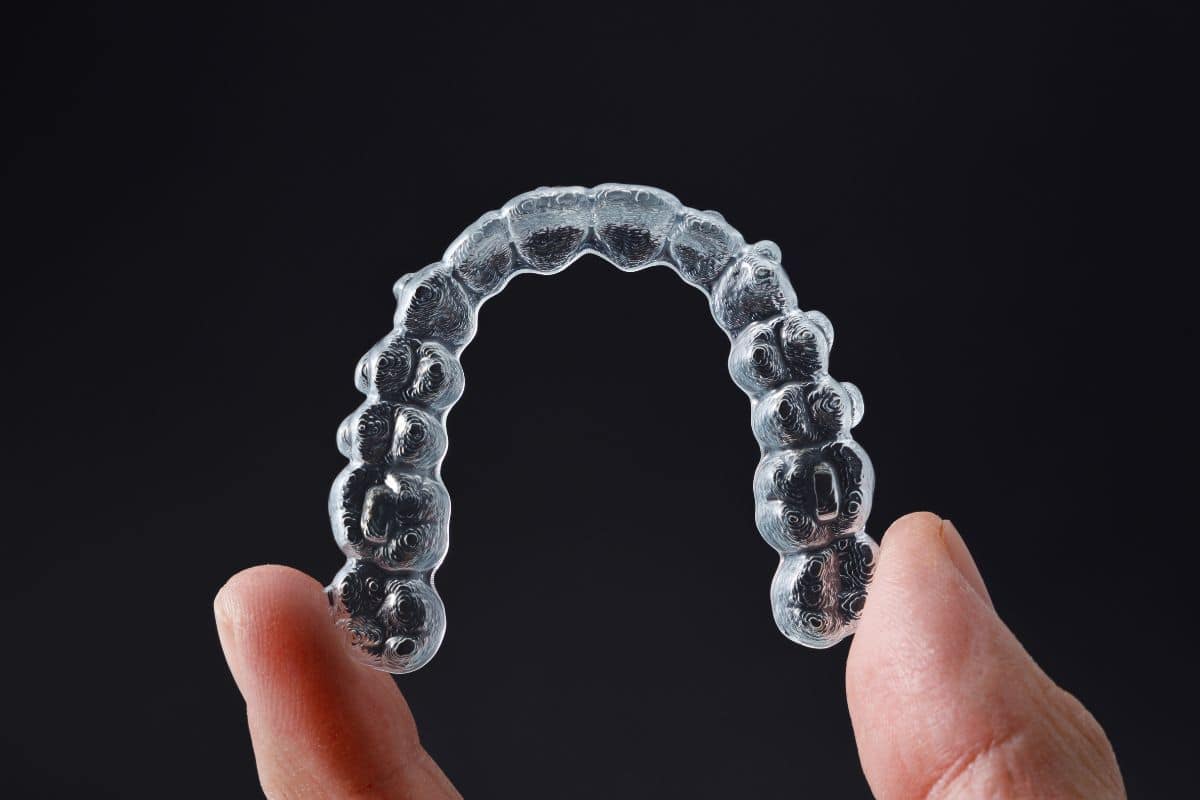
For those looking for a more discreet treatment, clear aligners such as Invisalign are a popular choice. These aligners are custom-made to fit snugly over your teeth and are virtually invisible. Patients receive a series of aligners that are changed out every couple of weeks to gradually move the teeth into the correct position.
Clear aligners are a great option for mild to moderate overbites, underbites, and crossbites. They are removable, which makes eating and cleaning teeth easier. However, they may not be suitable for more severe cases.
- Palatal Expanders
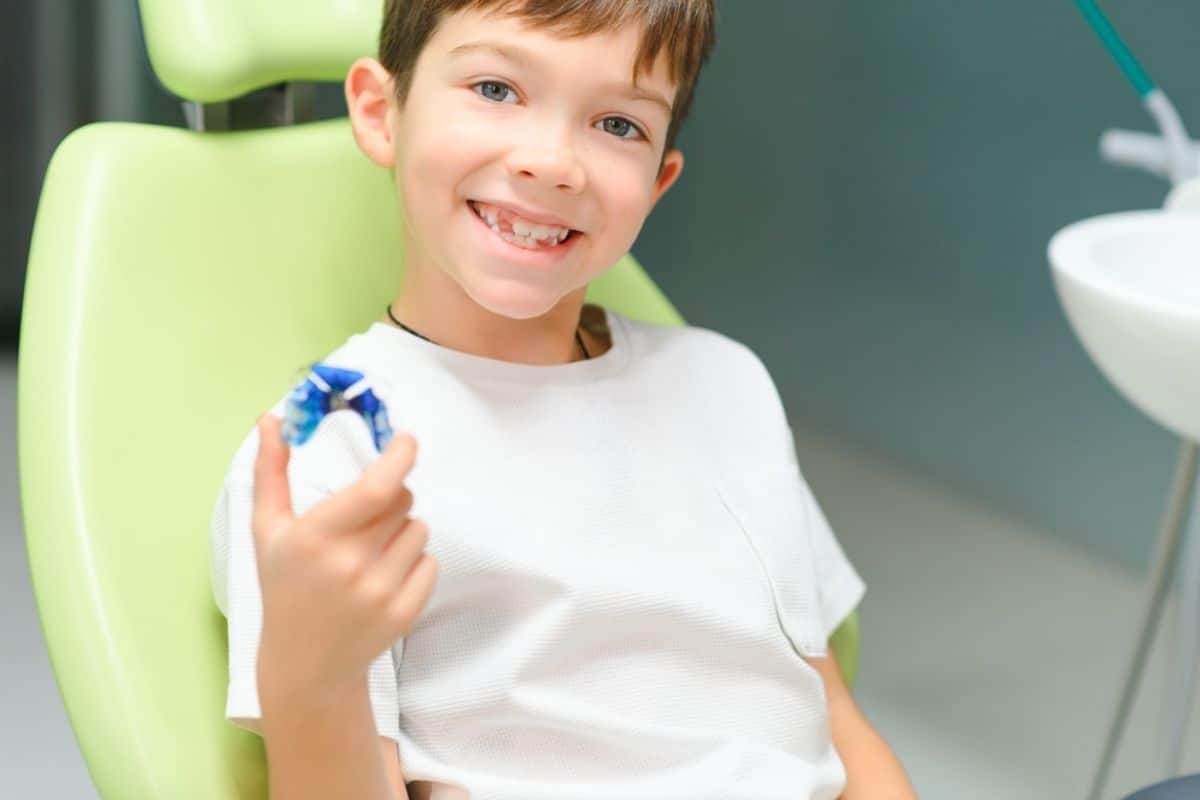
Palatal expanders are often used in children whose jaws are still growing. This appliance is attached to the upper teeth and gradually widens the upper jaw. This helps correct crossbites by ensuring that the upper and lower teeth align properly.
Palatal expanders take advantage of the natural growth process in children. Once the expansion is complete, the child may still require braces or clear aligners to fine-tune their smile.
- Jaw Surgery
In severe cases where the jaw is significantly misaligned, corrective jaw surgery may be necessary. This option is typically reserved for adults, as their bones are no longer growing. Jaw surgery can reposition the upper and lower jaws to ensure proper alignment.
While surgery may sound intimidating, it is often highly effective in correcting bite issues that cannot be fixed with braces or aligners alone. An orthodontist may recommend this treatment if non-surgical options are not sufficient.
Choosing the Right Orthodontic Treatment
The best way to determine which treatment is right for you is to schedule a consultation with an orthodontist. They will conduct a thorough evaluation, including X-rays and impressions of your teeth, to determine the severity of your bite issue. From there, the orthodontist will recommend the most effective treatment based on your unique needs.
In some cases, treatment may take just a few months, while others may require a longer commitment. However, the results are well worth the time and effort invested.
Conclusion
Bite misalignments like overbites, underbites, and crossbites can affect more than just the look of your smile—they can lead to discomfort, dental problems, and speech difficulties. Orthodontic treatments, ranging from braces to clear aligners and even jaw surgery, can correct these issues and improve your quality of life.
If you’re experiencing any of these bite problems, it’s important to seek professional advice from an orthodontist. At Aloha Dental, widely preferred orthodontist in Las Vegas, we specialize in providing personalized care to help you achieve a healthier, more functional smile. Whether you’re considering braces or clear aligners, we offer solutions tailored to your needs. Schedule a consultation and take the first step toward a beautiful, healthy smile!