Call Today for a Free Consultation


What to Expect After Root Canal Surgery – Step-by-Step Guide
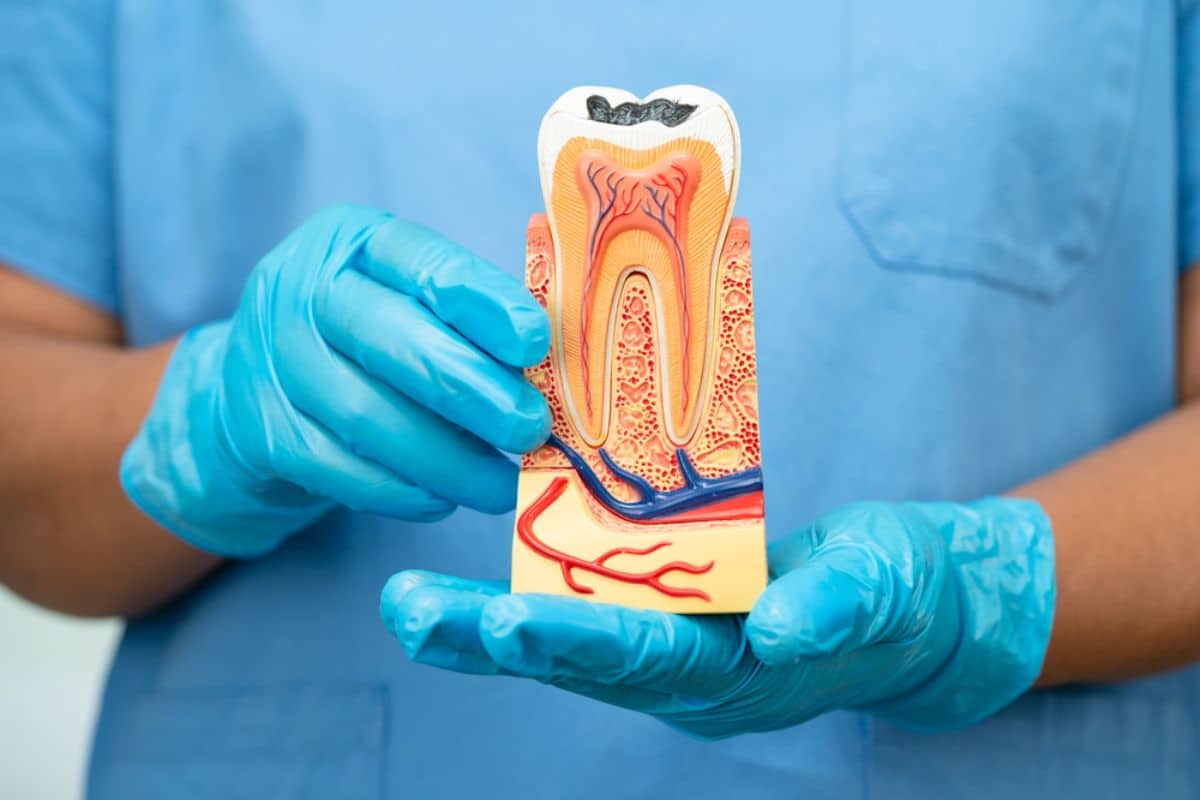
After undergoing a root canal to relieve dental pain and save your tooth, it’s totally normal to wonder about what comes next. You might be curious about how you’ll feel and what you should do to take care of your tooth as you recover.
This step-by-step guide will help you understand everything you need to know about recovering from your root canal, helping you feel comfortable and confident on your way to a healthy, pain-free smile.
What are the Side Effects You Can Experience Post-Root Canal?
After your root canal, it’s common to experience some mild side effects as your body heals. These are generally temporary and manageable. The most common sensations include:
- Mild Tenderness or Soreness: As the effect of local anesthesia goes away, you might notice some tenderness around the treated tooth and gum area. This is a normal part of the healing process.
- Sensitivity: The tooth might feel sensitive to pressure or temperature for a few days, especially if there was significant infection or inflammation before the procedure.
- Slight Swelling: In some cases, minor swelling around the treated area can occur, though this is less common with modern techniques.
Immediately After Your Root Canal: The First Few Hours
The first few hours following your root canal are crucial for a comfortable start to your recovery.
- Numbness: You will likely still feel numb from the local anesthesia for several hours. It’s important to be mindful of this.
- Initial Sensations: As the numbness gradually fades, you might begin to feel a dull ache or pressure in the treated area. This is a sign that the anesthesia is wearing off, and it’s a normal part of the process.
- Driving and Eating: We advise against eating until the numbness has completely worn off to prevent accidentally biting your cheek or tongue. If you’ve had sedation, you’ll need someone to drive you home. Otherwise, you should be fine to drive once the numbness subsides.
Managing Discomfort: Pain and Swelling
While root canals are designed to eliminate pain, some discomfort during the healing phase is normal.
- Normal Discomfort: It’s common to experience some soreness or mild pain for a few days after the procedure, especially when chewing. This is your body’s natural response to the treatment.
- Pain Relief: For most patients, over-the-counter pain relievers such as ibuprofen (Advil, Motrin) or acetaminophen (Tylenol) are effective in managing any post-procedure discomfort. Follow the dosage instructions on the package or as advised by our team.
- Cold Compress: If you notice any slight swelling, applying a cold compress to the outside of your cheek near the treated area for 15-20 minutes at a time can help reduce it.
What You Should Eat and Drink for Recovery
What you eat and drink in the days following your root canal can significantly impact your comfort and healing.
- Soft Foods: For the first few days, stick to soft, easy-to-chew foods. Think soups, yogurt, smoothies, mashed potatoes, scrambled eggs, and soft pasta.
- Avoid Chewing on the Treated Side: Try to chew on the opposite side of your mouth to protect the treated tooth and any temporary filling or crown that may have been placed.
- Foods to Avoid: Steer clear of hard, crunchy, or sticky foods (like nuts, popcorn, hard candies, or chewing gum) that could potentially damage the healing tooth or dislodge any temporary restoration. Also, avoid extremely hot or cold beverages initially if you experience sensitivity.
Maintain Oral Hygiene After Your Root Canal Procedure To Keep The Gum Area Clean
Maintaining good oral hygiene is essential for proper healing and preventing further complications.
- Gentle Brushing: You can continue to brush and floss your teeth as usual, but be extra gentle around the treated area for the first few days. Avoid aggressive brushing directly on the tooth.
- Rinsing: Rinsing your mouth gently with warm salt water several times a day can help keep the area clean and promote healing. Dissolve half a teaspoon of salt in eight ounces of warm water.
- Avoid Aggressive Actions: Refrain from vigorous rinsing or spitting, as this can dislodge blood clots or temporary fillings and impede healing.
Long-Term Care for Your Root Canal Treated Tooth
A root canal saves your tooth, but long-term care is vital to ensure its longevity.
- Regular Check-ups: Continue to schedule and attend your regular dental check-ups and cleanings. These visits allow us to monitor the health of your treated tooth and your overall oral health.
- Good Oral Hygiene: Maintain a consistent daily routine of brushing twice a day and flossing once a day to prevent new cavities or gum disease.
- Protecting Your Investment: A root canal-treated tooth, especially a back tooth, can sometimes be more brittle than a healthy tooth. Your dentist will discuss the need for a permanent crown or filling to protect the tooth from fracture and restore its full function.
A Healthy Smile is Within Reach With Aloha Dental
Undergoing a root canal is a highly effective way to eliminate pain and preserve your natural tooth. With proper post-procedure care and attention to the guidelines above, your recovery should be smooth and straightforward.
If you have questions or concerns before starting your root canal therapy in Las Vegas, reach out to us.
Book your appointment online here to schedule your consultation or visit our office at 3955 S Durango Dr Suite B3, Las Vegas, NV 89147.