Call Today for a Free Consultation


Prompt Response to Dental Emergencies Makes All the Difference

When a dental emergency strikes, the need for quick, effective care is crucial. Whether it’s sudden pain, a chipped tooth, or an unexpected injury, knowing when and where to seek help can save you a lot of trouble. Dental emergencies can occur for various reasons, and addressing them promptly often prevents further complications, reducing the likelihood of lasting damage.
Below, we’ll look at common types of dental emergencies, why timely care matters, and what to do when you find yourself in need of urgent dental assistance.
Understanding Common Dental Emergencies
Dental emergencies can be unsettling, but understanding what constitutes an emergency can help you take action faster. Here are some of the most common types of dental emergencies and the issues they pose:
Severe Tooth Pain
One of the most common reasons people seek urgent dental care is tooth pain. A sudden, sharp pain can signal various problems, including decay, an abscess, or even a cracked tooth. Ignoring severe tooth pain can lead to infections or damage to surrounding tissues.
Broken or Chipped Tooth
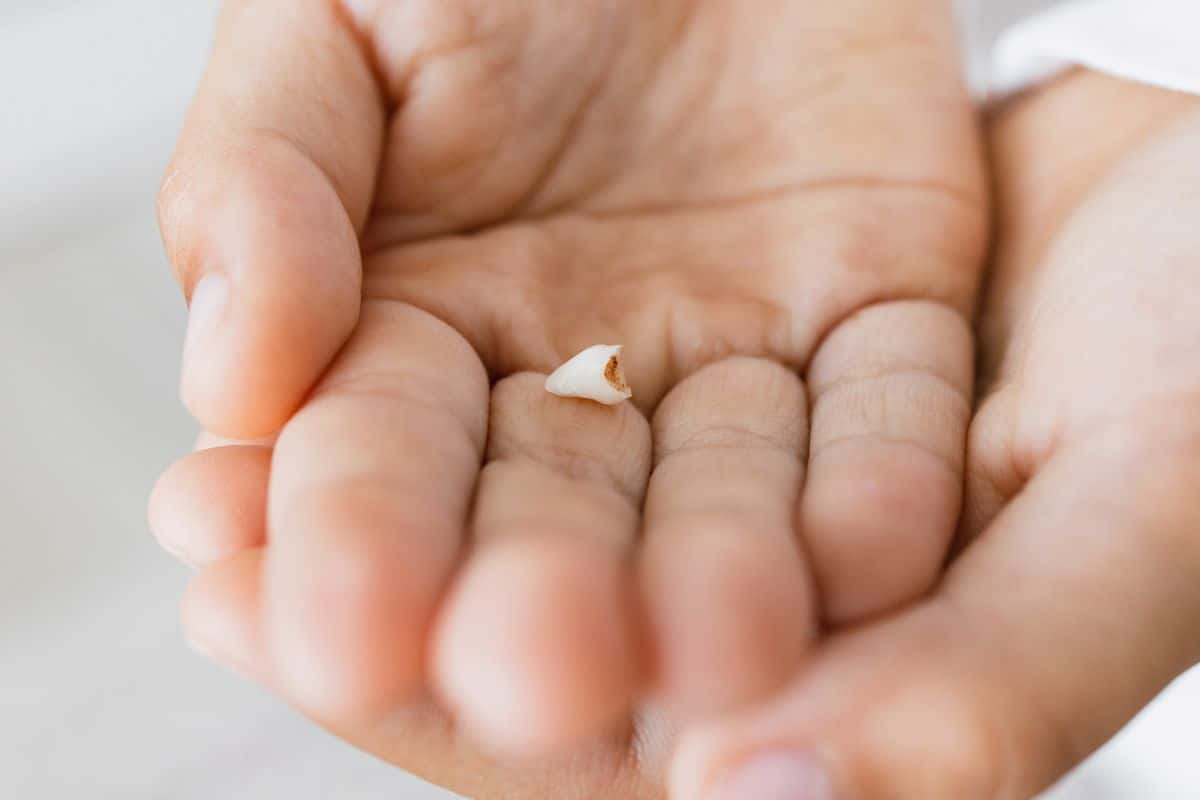
Whether caused by a fall, a sports injury, or even chewing something too hard, a broken or chipped tooth requires attention. Not only does it affect your smile, but it can also expose the tooth’s inner structure, making it more susceptible to infection or further damage. Seeking immediate care helps protect the tooth and prevent complications.
Lost or Dislodged Tooth
If you’ve experienced a traumatic event where a tooth is knocked out or loosened, timing is essential. Acting quickly in these situations can mean the difference between saving or losing the tooth. A dentist can often reinsert a dislodged tooth if you arrive within the first hour or so of the injury.
Abscess or Infection
A dental abscess, or localized infection, can cause severe pain and swelling. Left untreated, infections can spread to other parts of the body, making this a particularly urgent situation. Dental professionals can drain abscesses, administer antibiotics, and offer solutions to prevent the spread of infection.
Bleeding Gums or Mouth
Unexplained or persistent bleeding in your gums or mouth may be a sign of a serious underlying issue. While minor bleeding can be normal in cases like new braces or irritation, consistent bleeding that doesn’t stop with home care could point to gum disease or other oral health issues.
The Importance of Timely Emergency Dental Care
Responding promptly to a dental emergency does more than just alleviate pain. Here’s why seeking immediate attention is critical:
- Prevents Further Damage: Addressing an issue early can often prevent the need for extensive treatments later. A minor issue today could become a more significant, costly concern if left untreated.
- Reduces Pain and Discomfort: Dental emergencies are often very painful. Quick care helps relieve discomfort and minimize the impact on your daily life.
- Increases Chances of Saving the Tooth: In cases of knocked-out or dislodged teeth, immediate treatment often makes the difference between saving the tooth or needing a replacement, such as a dental implant.
- Minimizes Infection Risks: Infections can spread rapidly if not contained. Timely care is crucial to preventing an abscess or infection from affecting other parts of the body.
What to Do If You Have a Dental Emergency
When an emergency happens, remaining calm and knowing what to do next can help immensely. Here are some steps to consider for common dental emergencies:
For Tooth Pain
Rinse your mouth with warm salt water to cleanse the area. Avoid placing aspirin on the painful area, as it may irritate the gum tissue. If swelling occurs, apply a cold compress to the outside of your cheek and contact an emergency dentist as soon as possible.
For a Knocked-Out Tooth
Handle the tooth by the crown (the part that’s visible in your mouth), not the root. If possible, try placing the tooth back into its socket. If that’s too painful, keep the tooth moist by placing it in milk or a tooth-preserving solution, and seek immediate help.
For a Broken or Chipped Tooth
Rinse your mouth with warm water to clean the area. Apply a cold compress to reduce swelling if needed. Avoid chewing with the broken tooth and schedule an appointment with a dental clinic as quickly as possible.
For Bleeding Gums or Mouth
Apply gentle pressure with a clean cloth or gauze to the bleeding area. If bleeding persists, even after applying pressure, it’s essential to see a dentist to diagnose the underlying issue and prevent further bleeding or infection.
For Swelling or Abscesses
A swollen or abscessed area in the mouth can be very painful and requires immediate attention. Rinse your mouth with warm salt water to help draw out infection. Do not try to pop the abscess, as this can worsen the infection. Instead, contact a dental professional for safe and effective treatment.
Seeking Help from a Trusted Dentist
In a dental emergency, having a trusted dental professional who offers prompt care can provide peace of mind. Look for a dentist who prioritizes emergency appointments and has experience handling a range of urgent dental needs.
Emergency Dentistry at Aloha Dental Las Vegas
If you’re experiencing severe dental pain, contact us immediately for emergency dental care in Las Vegas. Our emergency team is ready to provide the swift, professional care you need. We are committed to assisting the local community with a compassionate approach, ensuring you receive timely care tailored to your unique urgent situation
Don’t let a dental emergency catch you off guard. By acting quickly and seeking professional help, you can protect your dental health and ensure your smile stays bright and healthy.
Frequently Asked Questions
1: What counts as a dental emergency?
A dental emergency includes issues that require immediate attention to stop bleeding, alleviate severe pain, save a tooth, or treat an infection. Common examples are knocked-out teeth, severe toothaches, cracked or fractured teeth, abscesses, and uncontrolled bleeding after dental procedures.
2: What should I do if I knock out a tooth?
Pick up the tooth by the crown (not the root), gently rinse it with water, and try to place it back into the socket. If that’s not possible, store it in milk or saliva and seek emergency dental care within 30 minutes for the best chance of saving the tooth.
3: How do I manage severe tooth pain before seeing a dentist?
Rinse your mouth with warm salt water, use a cold compress on the outside of your cheek, and take over-the-counter pain medication as directed. Avoid placing aspirin directly on the gum. Contact a dentist immediately to determine the cause of the pain.