Call Today for a Free Consultation


How Long Do Dental Implants Last? What Affects Their Lifespan?
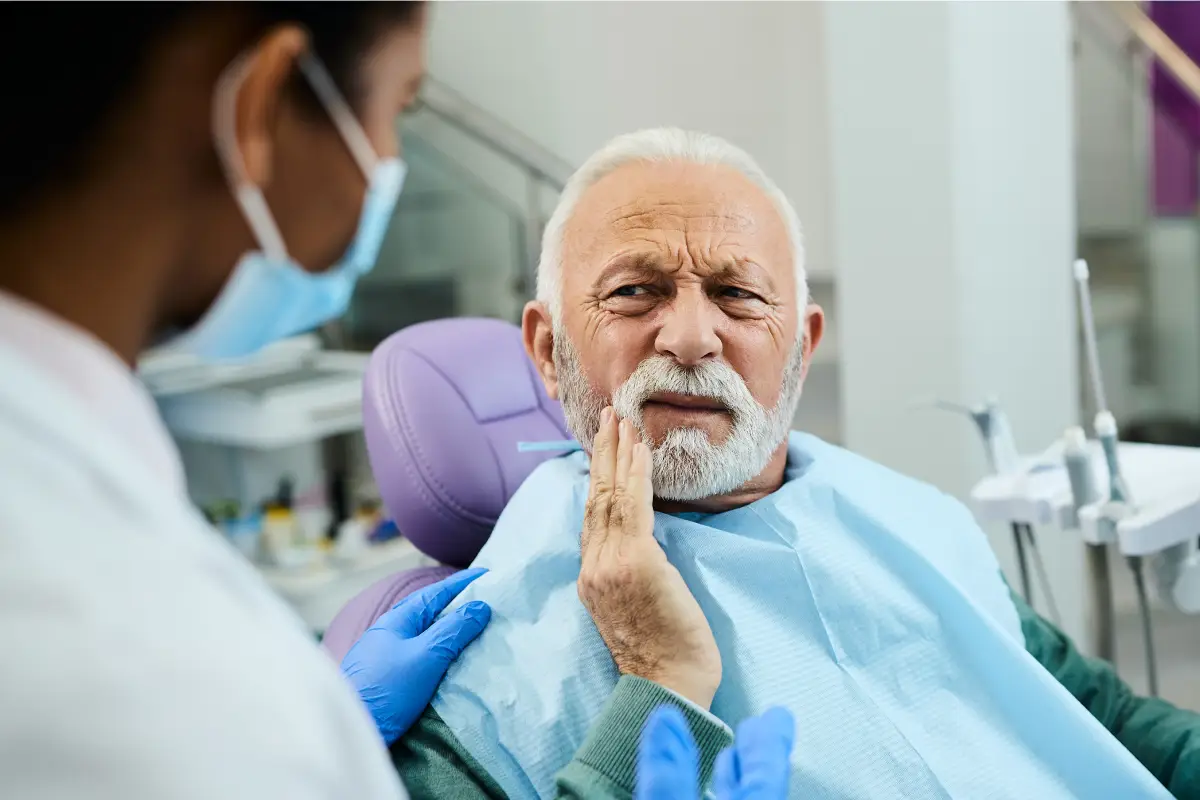
Dental implants can provide a stable way to replace missing teeth, but many people wonder how long they will last. The answer depends on several factors, including oral hygiene, general health, the condition of the surrounding bone, and regular dental care.
With appropriate placement and maintenance, the implant itself can last for decades and may last a lifetime. However, the crown or other restoration attached to it can wear down and eventually need repair or replacement.
What Determines How Long an Implant Lasts?
The implant and the crown have different lifespans
A dental implant is the component placed in the jawbone to support a replacement tooth. Over time, the bone can integrate with the implant, creating a stable foundation.
The crown is the visible part that restores the tooth’s appearance and function. Chewing forces, wear, damage, and changes in the surrounding tissues can affect its lifespan independently of the implant beneath it.
This distinction matters because a worn or damaged crown does not automatically mean the implant has failed.
Daily oral hygiene
Implants need consistent cleaning, just like natural teeth. Plaque can accumulate around the gumline and contribute to inflammation. If the tissues around an implant become infected, the supporting bone may deteriorate.
Brush twice a day with a soft bristled toothbrush, clean between your teeth daily, and follow your dentist’s instructions for cleaning around the restoration. Special floss, interdental brushes, or a water flosser may help, depending on your needs.
Gum health and bone support
Healthy gums and adequate bone support help keep an implant stable. A history of gum disease can increase the risk of complications, particularly when the condition remains uncontrolled.
Your dental team may recommend more frequent maintenance visits if you have a history of periodontal problems or other risk factors.
Smoking, grinding, and general health
Smoking can interfere with healing and increase the risk of implant complications. Conditions that affect healing, uncontrolled diabetes, and certain medications may also influence treatment outcomes.
Grinding or clenching places extra force on implants and their restorations. If you grind your teeth, your dentist may recommend a custom night guard to protect your bite.
How Can You Help Your Implant Last Longer?
Protecting an implant starts with everyday habits and regular professional monitoring.
- Brush and clean between your teeth consistently.
- Keep routine dental appointments and recommended cleanings.
- Avoid chewing ice or using your teeth to open packages.
- Follow aftercare instructions during healing.
- Tell your dentist about smoking, teeth grinding, new medications, or changes in your health.
An oral health specialist can monitor the implant, examine the surrounding gums, and check whether the crown remains secure and comfortable. For patients replacing missing teeth, tooth replacement with dental implants may provide a long term solution when properly planned and maintained.
Contact your dentist if you notice bleeding around the implant, persistent swelling, pain, a loose crown, or movement in the implant itself. Do not try to tighten or repair a loose component at home.
Protect Your Long Term Oral Health
Consistent care and professional monitoring can help you get the most from tooth replacement treatment. Find directions to the office in Las Vegas before your visit.
Aloha Dental can help you address concerns about your implant and maintain your oral health. Contact the office to schedule an appointment and discuss your implant needs.
Frequently Asked Questions
1. How do I know if my dental implant is starting to fail?
Warning signs can include bleeding or swollen gums around the implant, persistent discomfort, pus, a loose crown, or movement in the implant itself. These symptoms do not always mean the implant has failed, but they should be checked by your dentist promptly.
2. Can I eat normally with dental implants for the rest of my life?
Once your implant has healed and your dentist confirms that the restoration is ready for normal use, you can generally enjoy a wide variety of foods. However, avoid habits such as chewing ice or biting hard objects, which can damage the crown or other components. Follow your dentist’s advice about foods during the healing period.
3. Do dental implants need special cleaning every day?
Dental implants do not require an entirely different oral hygiene routine, but cleaning around them carefully is essential. Brush twice daily, clean between your teeth every day, and pay attention to the gumline around the implant. Your dentist may recommend interdental brushes or a water flosser to help remove plaque from hard to reach areas.
4. What happens if the crown on my dental implant becomes loose?
A loose crown does not necessarily mean the implant beneath it has failed. The crown, connecting component, or another part of the restoration may need attention. Arrange a dental appointment promptly, avoid chewing on that side, and do not attempt to tighten or repair the component yourself.
5. How often should I visit the dentist after getting a dental implant?
Your dentist will recommend a schedule based on your oral health, gum condition, and implant restoration. Regular checkups allow the dental team to assess the implant, examine the surrounding tissues, and identify potential problems early. People with a history of gum disease or other risk factors may need more frequent monitoring.
Related Articles