Call Today for a Free Consultation


Do You Know The Foods That Make Sensitive Teeth Worse?
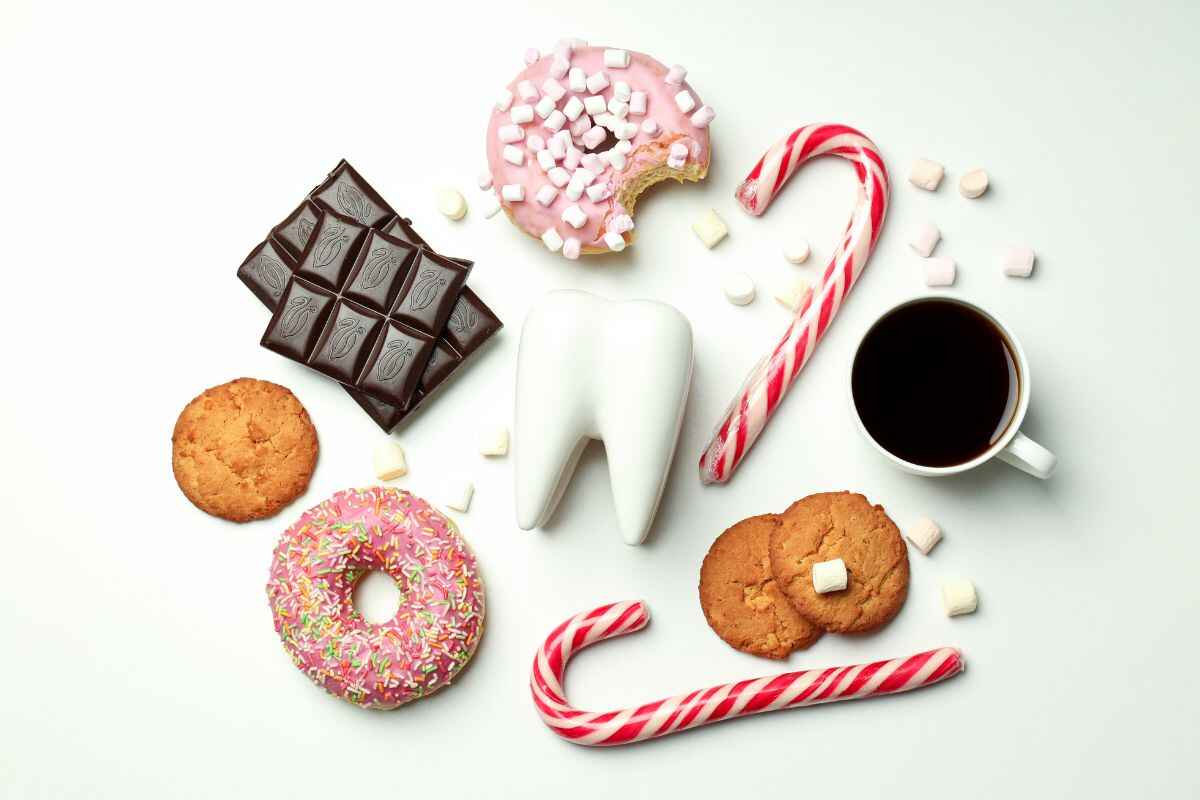
Tooth sensitivity is one of those problems people often try to work around instead of addressing. When enamel thins or gums recede, the inner layer of the tooth, called dentin, becomes exposed. Dentin contains tiny tubules that lead directly to the nerve. Acidic, sugary, hot, or cold foods can travel through those tubules and trigger pain.
In this guide, we’ll walk through the foods that commonly make sensitive teeth worse, explain why they cause discomfort, and share practical ways to protect your teeth without giving up everything you enjoy.
5 Types oF Foods That Make Teeth Sensitivity Worse
Acidic Foods That Weaken Enamel
Acid is one of the biggest culprits behind tooth sensitivity. It slowly dissolves enamel, making teeth more reactive over time.
Common acidic foods and drinks include:
- Citrus fruits like lemons, limes, oranges, and grapefruits
- Tomato-based foods such as pasta sauce and salsa
- Vinegar-heavy foods like pickles and salad dressings
- Wine, especially white wine
- Sports drinks and energy drinks
In Vegas heat, many people reach for citrus water or electrolyte drinks all day long. Sipping acidic beverages throughout the day keeps enamel under constant attack. If you enjoy these foods, it’s better to have them with meals rather than sipping or snacking frequently.
Sugary Foods That Feed Sensitivity
Sugar itself doesn’t cause sensitivity, but it fuels bacteria that produce acid. That acid then weakens enamel and irritates exposed areas.
Foods that commonly worsen sensitivity include:
- Candy, especially sour or sticky candy
- Pastries, donuts, and sweet snacks
- Sugary coffee drinks and sweetened teas
- Soda, including diet soda
Late-night Strip shifts and early mornings often lead to quick sugar fixes. Unfortunately, frequent sugar exposure increases cavity risk and makes sensitive teeth more reactive.
Cold Foods and Drinks That Cause Sharp Pain
If cold foods make you wince, you’re not alone. Cold sensitivity is often the first sign of enamel thinning or gum recession.
Common triggers include:
- Ice water
- Ice cream and frozen desserts
- Smoothies and frozen cocktails
- Cold beer or chilled drinks
That sudden jolt happens because cold temperatures stimulate the nerves inside exposed dentin. It’s not something to ignore—especially if the pain lingers after the cold is gone.
Hot Foods and Drinks That Irritate Nerves
Hot sensitivity doesn’t get as much attention, but it can be just as uncomfortable.
Watch out for:
- Hot coffee or espresso
- Tea
- Soup and broth
- Fresh-off-the-grill foods
If heat causes discomfort, it may point to deeper enamel loss or even a cracked tooth. Persistent heat sensitivity deserves a closer look.
Crunchy and Hard Foods That Wear Teeth Down
Some foods don’t hurt right away but cause damage over time.
Examples include:
- Ice chewing
- Hard candy
- Nuts chewed on one side
- Crusty bread
These foods can create micro-cracks in enamel or worsen existing damage. Once enamel is compromised, sensitivity usually follows.
How to Eat Without Making Sensitivity Worse
You don’t need to live on plain rice and water. Small changes can make a noticeable difference:
- Rinse with water after acidic foods
- Wait at least 30 minutes before brushing after acid exposure
- Use a soft-bristled toothbrush
- Chew on the opposite side if one area is sensitive
- Drink acidic beverages through a straw
Staying hydrated is especially important in the Las Vegas climate. Dry mouth reduces saliva, which normally helps neutralize acids and protect enamel.
When Sensitivity Signals a Bigger Issue
Occasional sensitivity happens. Ongoing or worsening pain is different. It can point to:
- Enamel erosion
- Gum recession
- Cavities
- Cracked teeth
- Grinding or clenching
Take Control of Tooth Sensitivity Before It Gets Worse
If certain foods are making your teeth hurt, it’s time to get clear answers. At Aloha Dental Las Vegas, we take a straightforward, no-pressure approach to identifying the cause of tooth sensitivity and helping you manage it comfortably.
Whether it’s enamel wear, gum changes, or something deeper, early care can make everyday eating enjoyable again. Contact our office today to schedule your visit and get relief that lasts.
Frequently Asked Questions
1. Can acidic foods permanently damage sensitive teeth?
Acidic foods can cause permanent damage if exposure is frequent and prolonged. Over time, acid wears down tooth enamel, which does not grow back. Once enamel thins, the underlying dentin becomes exposed, making teeth more sensitive. Limiting acidic foods and avoiding brushing immediately after eating them can help slow further damage.
2. Why do cold foods hurt more when my teeth are sensitive?
Cold foods trigger sensitivity because they stimulate the nerves inside exposed dentin. When enamel wears down or gums recede, cold temperatures travel through tiny channels in the tooth and reach the nerve. This is why ice water or ice cream often causes sharp, sudden pain in sensitive teeth.
3. Are sugary foods worse for tooth sensitivity than acidic foods?
Both can worsen sensitivity, but in different ways. Acidic foods directly weaken enamel, while sugary foods feed bacteria that produce acid. Frequent sugar intake increases the risk of cavities and enamel erosion, which can eventually lead to heightened tooth sensitivity.
4. Should I stop eating certain foods if I have sensitive teeth?
You don’t have to eliminate foods completely, but moderation and timing matter. Eating trigger foods with meals, rinsing with water afterward, and waiting before brushing can reduce irritation. If sensitivity continues despite dietary changes, it may indicate an underlying dental issue that needs professional attention.