Call Today for a Free Consultation


Tooth Decay Even After Brushing – Why? Learn From Your Las Vegas Dental Office
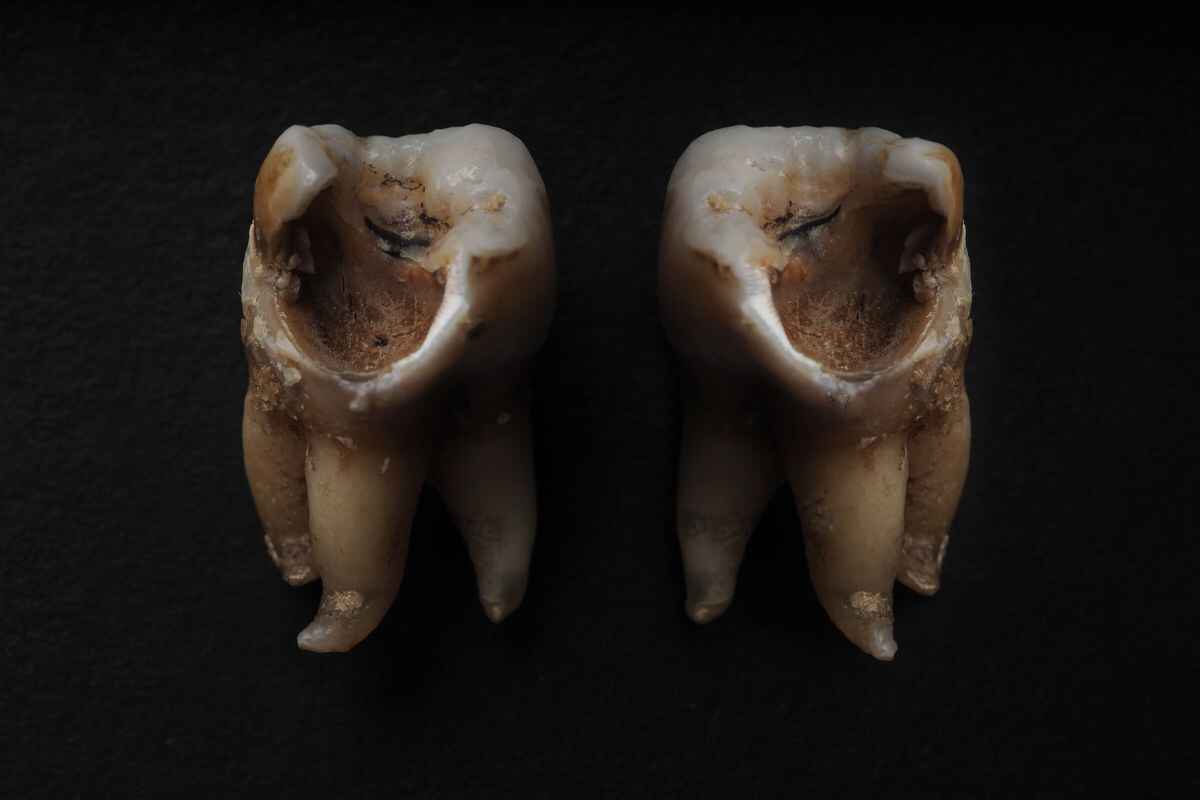
Many people brush their teeth every day and still end up with cavities. This often leads to confusion and frustration when oral hygiene feels consistent and thorough. Tooth decay does not happen for just one reason. It develops when several everyday factors – daily habits, diet, reduced saliva, brushing technique, and areas of the mouth a toothbrush cannot reach.
In this blog, we explain why decay can occur even after brushing, and how small changes can protect your smile.
Reasons Of Tooth Decay Even After Brushing
Brushing Alone Doesn’t Fully Protect Your Teeth
Brushing removes plaque from visible tooth surfaces, but it does not eliminate all bacteria.
Common issues we see:
- Missed areas along the gumline
- Plaque between teeth
- Bacteria around fillings or crowns
- Rushed or uneven brushing
Even when brushing twice daily, plaque can remain in areas where decay often begins.
How Your Brushing Technique Can Affect Tooth Decay
How you brush matters just as much as how often.
Watch for these problems:
- Brushing for less than two minutes
- Using hard bristles that damage enamel
- Applying too much pressure
- Skipping back teeth or inner surfaces
Gentle, thorough brushing with fluoride toothpaste helps strengthen enamel and reduce acid damage.
What Happens When You Skip Cleaning Between Your Teeth
Toothbrush bristles cannot clean between teeth. When flossing is skipped, plaque stays trapped and decay forms where it is hard to notice.
Areas at high risk:
- Between molars
- Below the contact points
- Near the gumline
When patients visit our office for our dental cleaning service, we focus on clearing plaque and buildup from between teeth and along the gumline where decay often starts without noticeable symptoms.
Diet and Snacking Increase Decay Risk
Frequent exposure to sugar and starch feeds cavity-causing bacteria.
Common contributors:
- Sodas, energy drinks, and sports drinks
- Frequent snacking throughout the day
- Sticky foods like dried fruit
- Acidic foods and drinks
In Las Vegas, dry weather often leads to dehydration, reducing saliva and increasing decay risk.
Dry Mouth Can Lead to Cavities Faster
Saliva protects teeth by:
- Neutralizing acids
- Washing away food particles
- Supporting enamel repair
Dry mouth caused by medications, dehydration, or medical conditions allows bacteria to cause damage faster—even with regular brushing.
Existing Dental Issues Can Hide Decay
Decay does not always start on smooth surfaces.
Higher-risk areas include:
- Old fillings
- Cracked teeth
- Worn enamel
- Exposed tooth roots
These areas can trap bacteria and make brushing less effective.
When You Brush After Eating Matters More
Brushing immediately after acidic foods can weaken enamel.
Helpful tips:
- Wait at least 30 minutes after eating
- Drink water to rinse acids away
- Allow saliva to rebalance the mouth
This reduces enamel wear and sensitivity.
Why You Should Schedule Regular Dental Cleanings
Even with good brushing and flossing at home, plaque and tartar can still build up in areas that are difficult to reach. Once tartar hardens, it cannot be removed with a toothbrush.
Regular dental cleanings help by:
- Removing plaque and tartar from along the gumline and between teeth
- Reducing the risk of cavities and gum inflammation
- Allowing early signs of decay to be identified before symptoms appear
Simple Daily Steps to Reduce Tooth Decay at Home
- Brush twice daily for two minutes
- Use fluoride toothpaste
- Floss once a day
- Limit sugary snacks and drinks
- Stay hydrated
Have A Cavities? Schedule Your Dental Check Up Today
If cavities keep appearing despite regular brushing, a dental check up can help you recover before it spreads. At Aloha Dental Las Vegas, we focus on identifying hidden risks and guiding patients toward long-term oral health. Contact our office to schedule your visit.
Frequently Asked Questions
1. Why do I still get cavities even though I brush twice a day?
Brushing is essential, but it may miss plaque in hard-to-reach areas like between teeth, along the gumline, or around old fillings. Diet, dry mouth, and enamel health also play a role in cavity formation.
2. How often should I floss to prevent tooth decay?
Daily flossing is recommended to remove bacteria and plaque that toothbrushes cannot reach. Skipping flossing allows decay to develop between teeth, which often goes unnoticed until it worsens.
3. Can dry mouth cause cavities even if I brush regularly?
Yes. Saliva helps neutralize acids and wash away food particles. Reduced saliva from medications, dehydration, or medical conditions increases the risk of decay, even with proper brushing.
4. How can dental cleanings help prevent cavities?
Regular visits for professional cleanings remove hardened plaque (tartar) and target areas brushing and flossing may miss. They also allow your dentist to identify early decay and give personalized tips to protect your teeth.