Call Today for a Free Consultation


Can a Tooth Fall Out After a Root Canal? What You Need to Know
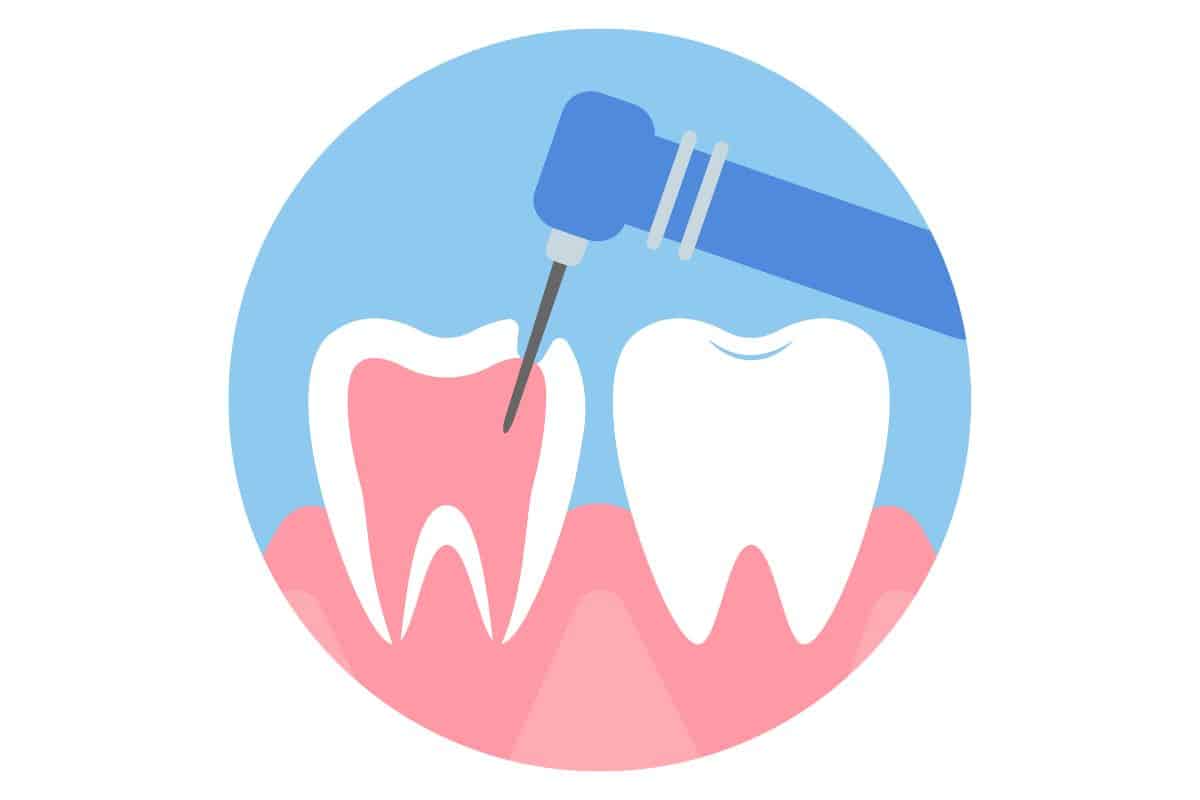
A root canal can feel like a big step, but it’s a common procedure to save your tooth. Yet, many people worry about potential complications, like the possibility of the tooth falling out afterward. Is this a real concern or just a myth?
In this blog, you will discover what happens during a root canal treatment. Read on to understand why some teeth may face issues later and how to keep your treated tooth healthy. Whether you’ve had a root canal or are considering one, keep reading to ensure your dental health stays on track.
What Happens During a Root Canal?
Before addressing tooth loss concerns, it’s essential to understand how a root canal works. A root canal targets the tooth’s inner pulp, which contains nerves and blood vessels. This pulp can get infected due to deep decay or injury. During the procedure, dentists remove the damaged tissue, cleans the tooth’s interior, and fills it with a special material. Finally, a crown or filling is placed to restore the tooth’s function.
Is Tooth Loss Possible After a Root Canal?
Technically, a tooth should not fall out after a root canal if the procedure is successful. However, there are rare situations where complications arise. Sometimes, the endodontic procedure strengthens your tooth but also leaves it “dead” since the nerves are removed. Without blood flow, the tooth can become brittle over time. This brittleness may lead to cracks or fractures, increasing the risk of tooth loss.
Factors That Could Cause Dislodged Teeth Post-Root Canals
The most common reasons why your tooth may be at risk of falling out after root canal treatment include:
Poor Restoration
After a root canal, it’s crucial to have a well-fitted crown or filling. An inadequate restoration can expose the tooth to further damage. A weak or improperly placed crown might cause the tooth to break, leading to potential loss.
Reoccurrence of Infection
Though root canals are highly effective, infections can return if the tooth isn’t sealed properly. If bacteria get inside, the tooth may become re-infected. Over time, this infection might weaken the tooth’s structure, increasing the likelihood of losing it.
Advanced Decay
Poor oral hygiene after a root canal can lead to new decay around the treated tooth. If the decay reaches the root canal-treated tooth, it may become too damaged to save, resulting in extraction.
How to Preserve Your Tooth After a Root Canal?
After an endodontic procedure, your tooth is more vulnerable and requires proper care to stay strong. Following these steps can help you maintain the health of your treated tooth.
- Maintain Good Oral Hygiene: Brush twice daily, floss, and use mouthwash to keep your teeth healthy. Even a treated tooth requires proper care to avoid decay or damage.
- Follow Up With Your Dentist: Regular dental visits are essential to monitor the health of your root canal-treated tooth. Your dentist will ensure the restoration remains intact and check for any signs of infection.
- Get a Proper Restoration: Make sure to get a high-quality crown or filling to protect the tooth from future damage. A well-crafted crown can prevent fractures and extend the tooth’s life.
- Address TMJ Issues: If you suffer from TMJ or grind your teeth, consult your dental practitioner about protective devices like nightguards. These devices can reduce the strain on your teeth and protect a root canal-treated tooth from damage.
Is a Tooth Extraction Necessary After a Failed Root Canal?
Rarely, a root canal may fail due to unresolved infection or structural damage. If the infection persists or the tooth becomes too weak, extraction might be necessary. This outcome is uncommon, especially if the tooth receives proper care and follow-up after the procedure. However, if extraction is required, there are options to restore the gap, such as dental implants or bridges.
Is a Tooth Extraction Necessary After a Failed Root Canal?
Rarely, a root canal may fail due to unresolved infection or structural damage. If the infection persists or the tooth becomes too weak, extraction might be necessary. This outcome is uncommon, especially if the tooth receives proper care and follow-up after the procedure. However, if extraction is required, there are options to restore the gap, such as dental implants or bridges.
Root Canal Success and Tooth Longevity
Root canals have a high success rate, and most patients maintain their treated teeth for many years. In fact, a well-restored root canal-treated tooth can last a lifetime with proper care. The procedure doesn’t cause tooth loss, but other factors like poor restoration, reinfection, or untreated TMJ can contribute to complications.
A tooth falling out after endodontic treatment is rare but possible in some individuals. However, with proper care, good oral hygiene, and regular dental visits, root canal-treated teeth can be strengthened. If you have concerns about TMJ disorders, dental grinding, or any complications after root canals, consult your dentist.
Want to book your appointment for safe, effective root canal treatment in Las Vegas? Contact Aloha Dental for exceptional endodontic care.