Call Today for a Free Consultation


How Do We Treat an Exposed Tooth From a Broken Restoration in Las Vegas?
A broken filling or damaged crown never seems to happen at a convenient time. One minute you are grabbing dinner on the Las Vegas Strip, enjoying iced coffee in Summerlin, or heading to work early in Henderson, and the next you feel something sharp in your mouth. Suddenly, your tooth feels exposed, sensitive, rough, or painful when you bite down.
When the inner part of the tooth becomes exposed, even everyday things like cold water, chewing, or breathing in dry desert air can suddenly feel uncomfortable. Modern restorative dentistry gives reliable ways to protect the tooth and restore comfort before the problem gets worse.
We see this situation often, and most patients walk in worried about the same thing: “Did I crack my actual tooth?” In many cases, the problem starts with a broken dental restoration. That could mean a cracked filling, a loose crown, a chipped veneer, or an older dental bridge that no longer protects the tooth underneath.
Here is how we approach exposed teeth from broken restorations and what patients realistically get from their trusted local dentist in Las Vegas during treatment.
What Happens When a Restoration Breaks?
Dental restorations are designed to protect weakened teeth. Over time, though, fillings wear down, crowns loosen, bonding materials weaken, and teeth continue to handle years of pressure from chewing and grinding.
Once a restoration breaks or separates from the tooth, the underlying structure can become vulnerable.
Patients usually notice things like:
- Sharp sensitivity to cold drinks
- Pain when chewing on one side
- A rough or jagged feeling with the tongue
- Food getting trapped around the tooth
- A visible crack in a filling or crown
- Sudden discomfort around a previously treated tooth
Sometimes the exposed area is small and manageable. Other times, bacteria can quickly reach deeper parts of the tooth. That is why we encourage patients not to wait too long after a crown falls off or a filling breaks.
Why an Exposed Tooth Feels So Sensitive
Most people are surprised by how fast discomfort appears after a restoration fails. That happens because the protective barrier is gone.
Underneath enamel sits a softer layer called dentin. Dentin contains microscopic pathways connected to the nerve inside the tooth. Once the tooth is exposed, even temperature changes or air movement can trigger sensitivity.
If the damage reaches deeper, the nerve may become inflamed. At that point, patients may notice lingering pain, throbbing, swelling, or difficulty chewing comfortably.
How We Treat an Exposed Tooth From a Broken Restoration
One thing we always tell nervous patients is this: treatment usually feels much simpler than the anxiety leading up to the appointment. We focus first on protecting the tooth and helping you feel comfortable again.
Step 1: We Examine the Tooth Carefully
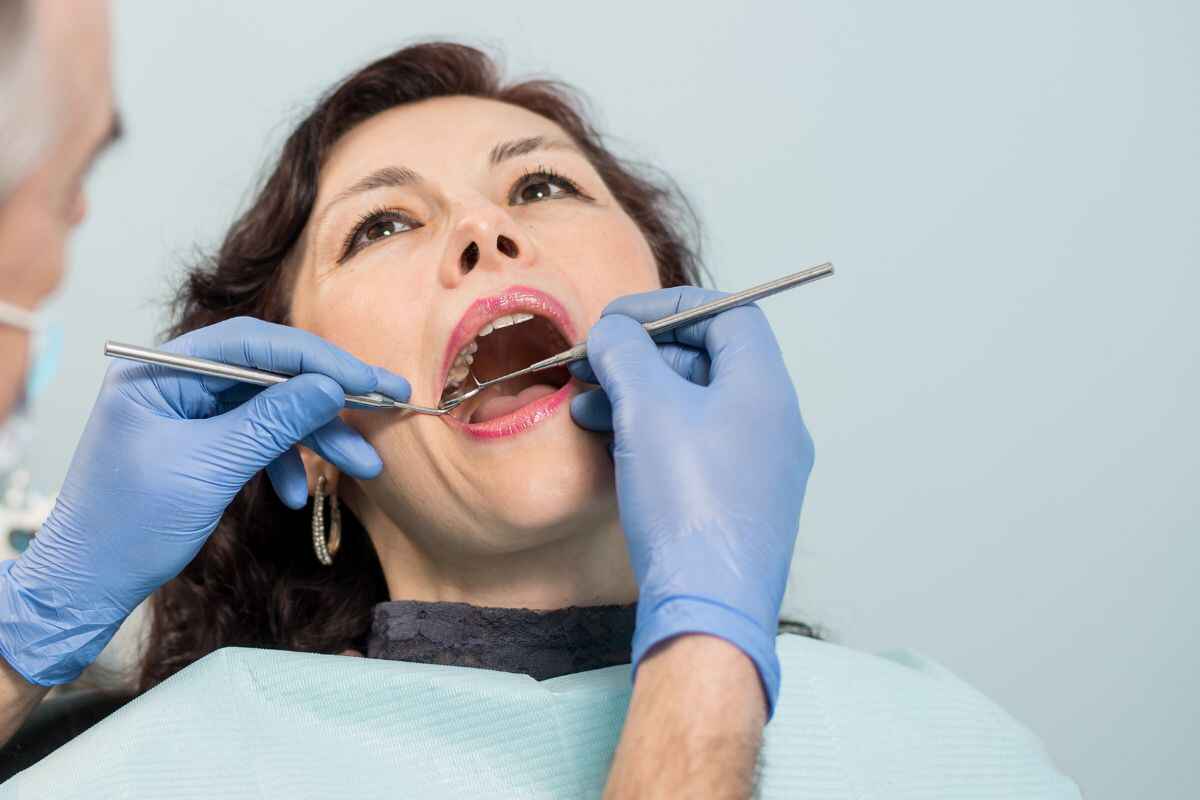
The first step is determining exactly what failed.
Sometimes only the restoration broke. Other times, part of the natural tooth fractured underneath it. We evaluate:
- The remaining tooth structure
- Any hidden cracks
- Signs of decay beneath the restoration
- Bite pressure and grinding patterns
- Nerve involvement or infection
Digital imaging often helps us see damage that is not visible on the surface.
We also listen carefully to how the tooth has been feeling because symptoms tell us a lot about the condition of the nerve and surrounding tissue.
Step 2: We Protect the Exposed Area
If the tooth is highly sensitive, we usually place protective material over the exposed portion right away.
That may involve:
- Temporary bonding
- A protective covering
- Recementing a crown if it is still usable
- Smoothing rough edges
- Sealing exposed dentin
This immediate step helps reduce discomfort while we plan the best long-term solution.
For many Las Vegas patients, simply covering the exposed area brings major relief within a short time.
Step 3: We Decide Which Restoration Will Last Best
Not every broken restoration needs the same treatment. The right option depends on how much healthy tooth structure remains.
In some situations, replacing a damaged filling with new composite bonding works beautifully. If the tooth has lost more support, a custom dental crown may provide better long-term protection.
When cosmetic areas are involved, especially front teeth, we also consider appearance carefully so the repaired tooth blends naturally with your smile.
What Patients Say About Their Experience at Aloha Dental Las Vegas
“I had a pleasant experience during my visits to Aloha. Everyone is very nice, which is important when getting dental work! They offer a way to cover dental costs with zero percent interest for those who qualify. I had two cavities and it took about 20 minutes to complete the fillings! Highly recommended.”
Rachel S
“This office really cares for their patients. I called on Monday 9/8 for a dental cleaning, they knew I had a hectic schedule the next few weeks Melinda was so awesome to get me in fast. By Tuesday 9/9 Alexia was working on my cleaning, made me feel comfortable and communicated everything step by step to me.I will recommend this office to any of my friends and family. Thank you to the staff at Aloha Dental I appreciate everything you’ve done for me and my smile! ???? Looking forward to my next visit!”
A Ortiz
Treatment Options We Commonly Use
Every exposed tooth situation is different, but here are some of the most common ways we restore and protect damaged teeth.
Tooth-Colored Fillings
If the exposed area is relatively small, composite tooth-colored fillings can rebuild the tooth while matching the natural shade of your smile.
Dental Crowns
When a tooth has significant structural damage, crowns provide full coverage protection. Modern crowns are designed to restore strength while also looking natural.
Root Canal Therapy
If bacteria or trauma reaches the nerve inside the tooth, root canal treatment may become necessary to save the tooth and eliminate pain.
When You Should Not Wait to Get Help
Some broken restorations can wait a short time. Others should be treated quickly.
You should contact a dentist promptly if you notice:
- Severe sensitivity
- Swelling
- Sharp pain while chewing
- A crown completely falling off
- Visible tooth fractures
- Bleeding around the tooth
- Persistent throbbing pain
Ignoring an exposed tooth can allow bacteria to move deeper into the tooth structure, making treatment more complex later. Even if the discomfort seems manageable now, it is worth having the area evaluated before the damage spreads.
Restore Your Tooth in Las Vegas Before the Problem Gets Worse
At Aloha Dental Las Vegas, we help patients throughout Las Vegas repair broken dental restorations and protect exposed teeth with practical, personalized care.
Whether you are dealing with a cracked filling, a loose crown, sudden tooth sensitivity, or a damaged restoration that no longer feels secure, contact us. Our team can evaluate the problem and guide you toward the right treatment option before it develops into something more serious.