Call Today for a Free Consultation


8 Common Dental Implant Complications
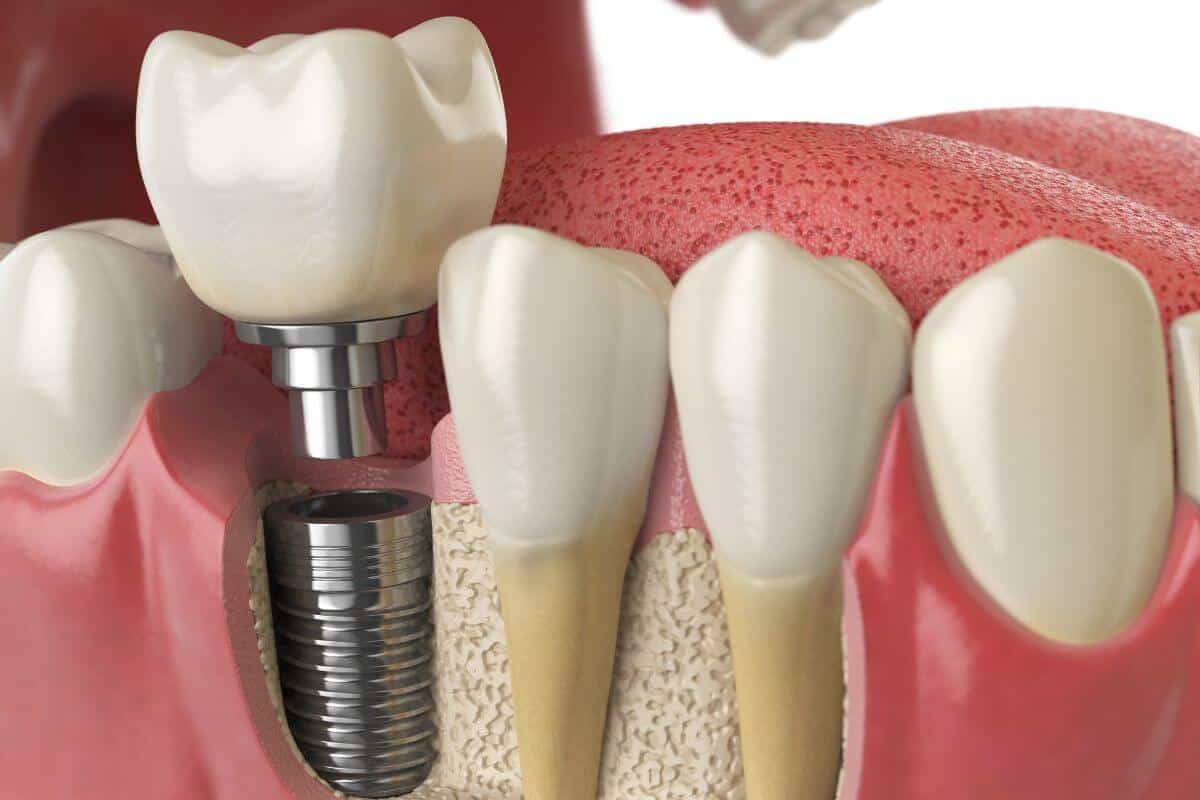
Dental implants are one of the most effective and long-lasting solutions for replacing missing teeth. But like any surgical procedure, they come with some risk. Common problems can show up shortly after surgery, or develop gradually over time. These problems may include minor post-op symptoms to more serious concerns like infections, nerve damage, swelling, bone loss or implant failure.
These implant problems may arise from poor oral hygiene, smoking, inadequate bone density, or improper placement.
In this blog, we’ll break down some of the most common complications related to dental implants and the factors that may increase your risk.
Surgical and Immediate Post-Operative Issues
Most people recover from implant surgery with only mild soreness and swelling, but in some cases, early complications can occur. These usually happen during or shortly after the implant placement procedure.
1. Infection at the Implant Site
Even with a sterile environment and proper technique, bacteria can sometimes enter the surgical site. This may lead to localized swelling, pain, or discharge. Left untreated, an infection can compromise the healing process and the stability of the implant.
2. Nerve or Tissue Damage
If the implant is placed too close to a nerve, it can cause tingling, numbness, or pain in the lips, chin, or tongue. This is rare, but it’s something that requires immediate attention to prevent lasting discomfort.
3. Sinus Complications (for Upper Implants)
Upper jaw implants, especially near the back teeth, are placed close to the sinus cavity. If the implant extends too far, it can push into the sinus area and cause sinus pressure, congestion, or recurring infections.
4. Swelling, Bleeding, and Bruising
Some swelling and minor bleeding are normal in the first few days after surgery. But if symptoms become excessive, painful, or persist beyond the expected recovery window, they could point to a complication.
Long-Term and Implant-Related Problems
Even after the implant has healed and fused with the bone, issues can arise months or even years later. These problems often start silently, so routine dental checkups are key to catching them early.
1. Implant Loosening or Failure
A dental implant needs to securely bond with the jawbone in a process called osseointegration. If this doesn’t happen properly or if the implant becomes unstable over time it may feel loose or painful.
2. Peri-Implantitis (Gum Disease Around the Implant)
Peri-implantitis is a form of gum disease that affects the tissues around an implant. It often starts with redness and bleeding, and can progress to bone loss if not addressed. This is one of the most common long-term complications.
3. Bone Loss Around the Implant
Gradual bone shrinkage around the implant can threaten its stability. This may result from ongoing inflammation, bite misalignment, or even excessive force on the implant.
4. Prosthetic Complications (Crown or Abutment Issues)
Even if the implant itself is secure, the components attached to it like the crown or abutment can sometimes become loose, worn, or damaged. These mechanical issues are usually fixable but still require prompt care.
The Factors That Contribute to Implant Failure
While many implant problems can be managed or prevented, certain risk factors can make complications more likely. These include:
- Smoking or tobacco use
- Poor oral hygiene habits
- Inadequate bone density
- Chronic health issues like uncontrolled diabetes
- Teeth grinding or clenching (bruxism)
- Improper implant placement or lack of surgical planning
- Skipping follow-up visits or ignoring early warning signs
If you’re considering dental implants, it’s important to share your full medical and dental history with your provider. This allows your dentist to assess your risk and create a treatment plan tailored to your needs.
Schedule Your Dental Implant Consultation Today
At Aloha Dental in Las Vegas, our dental implants treatment starts with careful planning and personalized care. Our experienced team uses advanced diagnostics and surgical techniques to reduce the risk of complications and help you enjoy lasting results.
Whether you’re exploring implants for the first time or have concerns about an existing one, we’re here to help. Contact us today to schedule your consultation and find if your oral health can support the implant procedure.
FAQs
1. How do I know if my dental implant is failing?
Signs of a failing implant can include persistent pain, swelling, gum recession around the implant, or a feeling that the implant is loose. If you notice any of these symptoms, it’s important to contact your dentist right away for an evaluation.
2. Is some pain or discomfort normal after getting a dental implant?
Yes, mild soreness, swelling, or tenderness is completely normal for a few days after surgery. However, pain that gets worse over time, doesn’t improve, or returns weeks later could be a sign of a complication.
3. Can dental implant problems be fixed without removing the implant?
In many cases, yes. Issues like gum inflammation, loose crowns, or minor infections can often be treated without removing the implant itself. Early diagnosis is key to avoiding more serious complications.
4. What can I do to prevent complications with my dental implants?
Good oral hygiene, regular dental checkups, not smoking, and protecting your implants from grinding or trauma are the best ways to avoid problems. Following your dentist’s instructions during recovery also plays a big role in long-term success.