Call Today for a Free Consultation

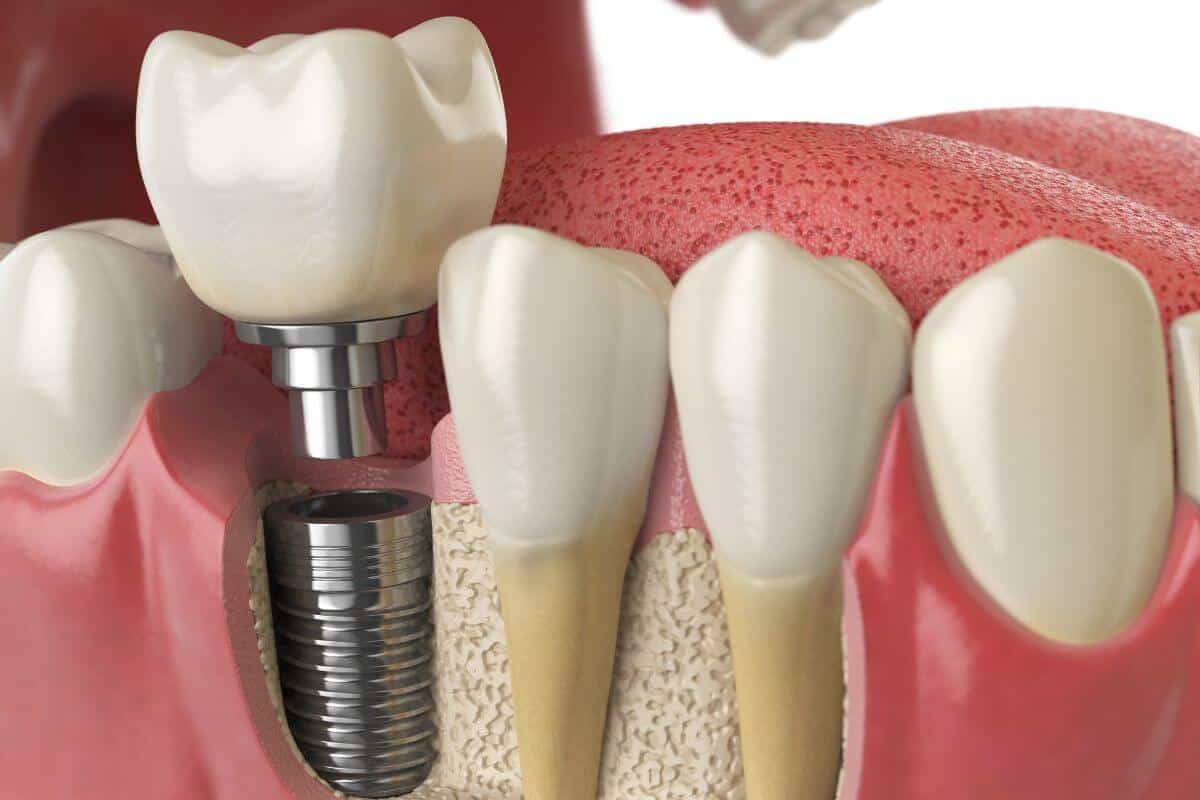
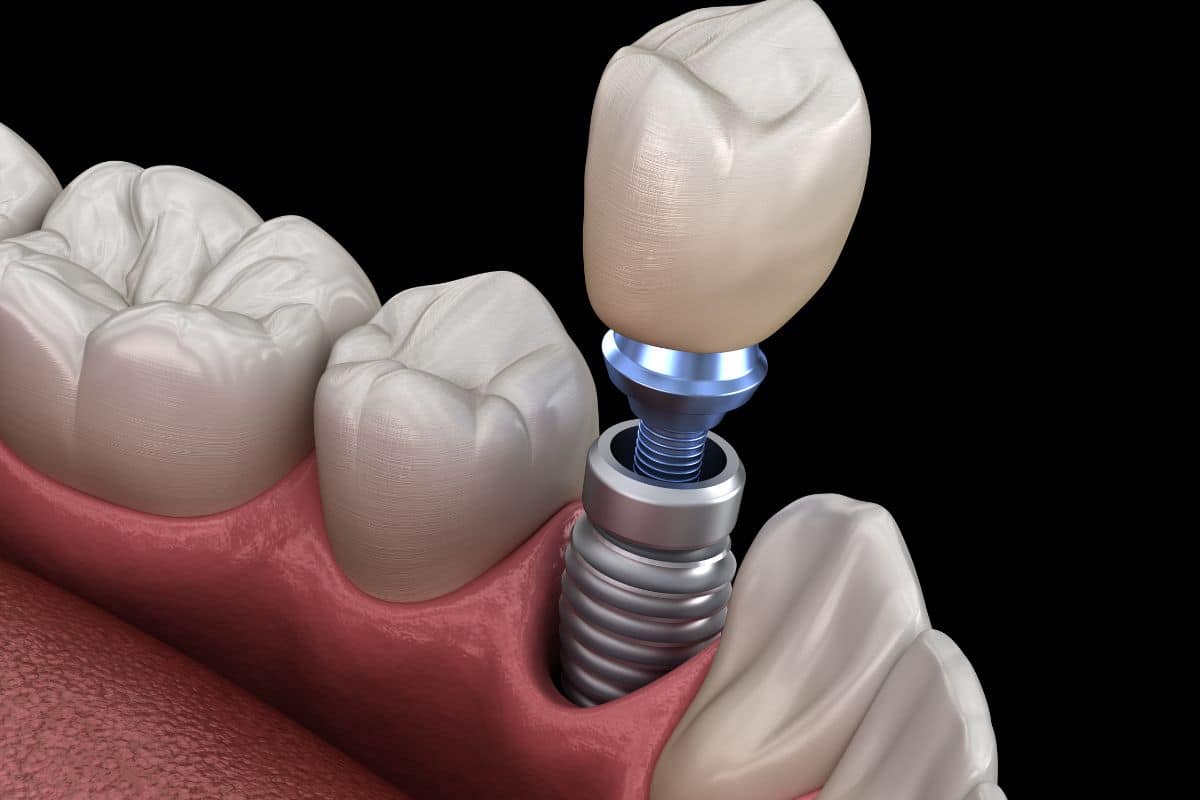
Single Tooth vs. Full Arch Dental Implants
Losing several teeth or an entire row of teeth can change much more than your smile. Everyday activities like eating, speaking, and even socializing may become frustrating, if you’re relying on loose dentures or have multiple failing teeth.
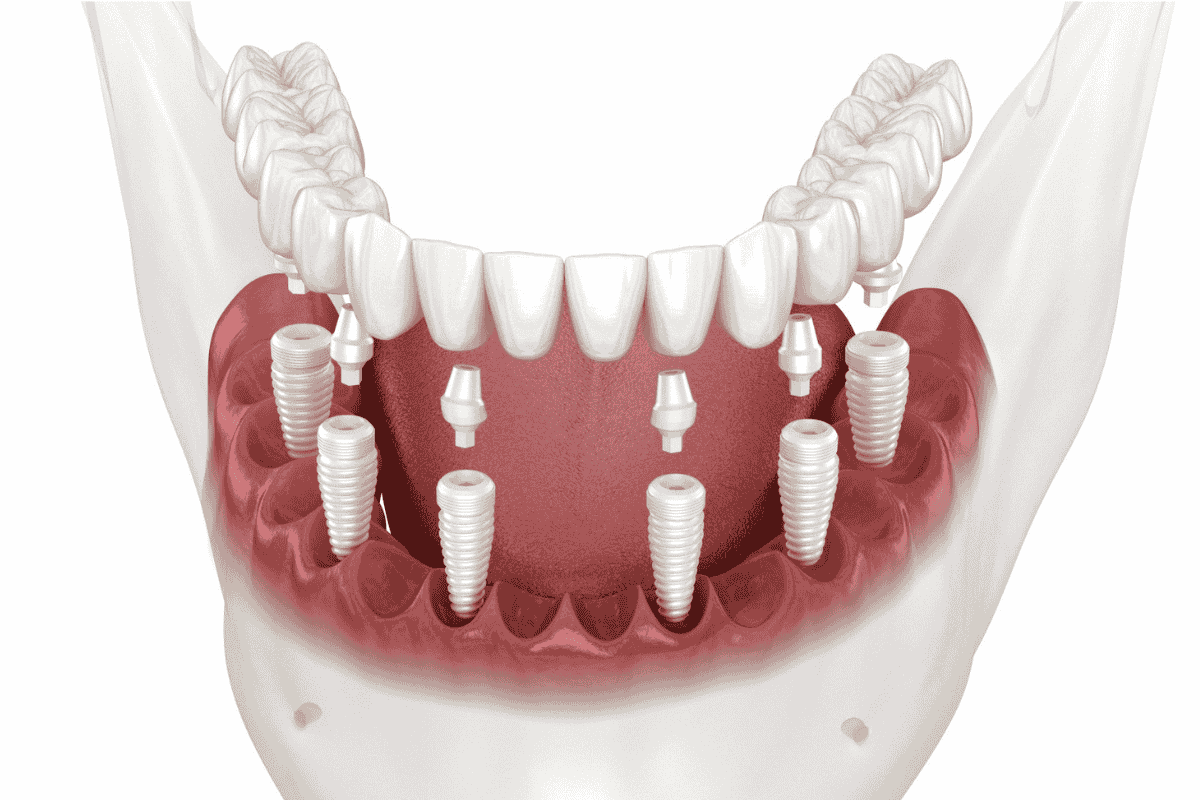
A full arch dental implant offers a long-term solution by replacing an entire upper or lower arch of missing teeth with a fixed, implant-supported restoration. Instead of replacing each missing tooth with its own implant, a small number of strategically placed dental implants support a complete set of replacement teeth.
What Is a Full Arch Dental Implant?
A full arch dental implant is a restorative treatment designed to replace all the teeth in the upper or lower jaw using a series of dental implants that support a custom-made prosthesis.
Unlike traditional dentures, which rest on the gums, full arch implants are anchored directly into the jawbone. The implants act as artificial tooth roots, creating a stable foundation for replacement teeth that look, feel, and function much more like natural teeth.
Depending on your oral health and treatment plan, your restoration may be supported by four, six, or more implants. Your dentist will recommend the approach that provides the best long-term support for your oral health.
How Do Full Arch Dental Implants Work?
Although a full arch restoration replaces an entire row of teeth, it doesn’t require one implant for every missing tooth.
Instead, several titanium implants are carefully placed in areas of the jaw with the strongest bone support. Over the next few months, these implants naturally fuse with the jawbone through a process called osseointegration. Once healing is complete, they provide a secure foundation for a custom-designed arch of replacement teeth.
Because the implants support the entire prosthesis together, they distribute biting and chewing forces more evenly than traditional dentures. This creates a stronger, more stable bite while helping preserve the jawbone underneath.
Who Is a Good Candidate for Full Arch Dental Implants?
Full arch dental implants may be recommended if you:
- Are missing most or all of the teeth in your upper or lower jaw.
- Have multiple damaged or failing teeth that cannot be predictably restored.
- Wear removable dentures but want a more secure, fixed solution.
- Want to improve your ability to chew and speak comfortably.
- Are looking for a long-term alternative to traditional dentures.
Even if you’ve experienced some bone loss, you may still qualify for treatment. Modern implant techniques often allow patients to receive full arch restorations without extensive bone grafting, although every case is different.
What Is the Difference Between Full Arch Implants and Traditional Dentures?
While both options replace missing teeth, they function very differently.
Traditional dentures rest on top of the gums and rely on suction or adhesives to stay in place. As the jawbone changes over time, dentures may become loose and require adjustments or replacement.
Full arch dental implants are secured directly to implants placed in the jawbone. Because they don’t depend on the gums for support, they provide greater stability during everyday activities like eating, speaking, and laughing.
For many patients, the added stability also means greater confidence when enjoying meals with family, dining out, or simply carrying on conversations without worrying about their teeth shifting.
Popular Types of Full Arch Dental Implants
All-on-4®
The All-on-4® treatment concept uses four strategically placed implants to support a complete arch of replacement teeth. The rear implants are angled to maximize available bone, making this option suitable for many patients who have experienced moderate bone loss.
All-on-6
All-on-6 implants follows the same principle but uses six implants instead of four. The additional implants may provide greater support and distribute chewing forces across a larger area of the jaw. Patients with sufficient bone volume may benefit from this approach, particularly if they generate higher biting forces.
Your dentist will determine which treatment offers the most predictable long-term outcome based on your oral health, bone quality, and overall treatment goals.
What to Expect During the Treatment Process
Every patient’s treatment plan is unique, but the process generally follows several stages.
Comprehensive Consultation
Your dentist will perform a thorough examination using digital X-rays, 3D imaging, and a detailed review of your oral health. This appointment helps determine whether full arch implants are the right option and whether any preliminary treatment is needed.
Treatment Planning
A personalized plan is created based on your bone structure, remaining teeth, bite, and smile goals. If damaged teeth need to be removed, those extractions are carefully coordinated with your treatment.
Implant Placement
The dental implants are surgically placed into the jawbone. Depending on your treatment plan, you may receive a temporary restoration while your implants heal.
Healing and Final Restoration
Over the following months, the implants integrate with the jawbone. Once healing is complete, your final custom restoration is attached, restoring both function and appearance.
Pros and Cons of Full Mouth Dental Implants
Like any dental treatment, full mouth dental implants offer important advantages, but they may not be the right solution for every patient.
Pros
Natural-looking results
Custom-designed restorations are crafted to complement your facial features and create a smile that looks balanced and natural.
Improved chewing ability
Because the implants are securely anchored in the jaw, patients can typically enjoy a wider variety of foods compared to removable dentures.
Greater stability
Unlike dentures that may slip or require adhesive, implant-supported teeth stay securely in place throughout the day.
Jawbone preservation
Dental implants stimulate the jawbone much like natural tooth roots. This helps reduce the bone loss that commonly occurs after teeth are lost.
Long-term solution
With proper care and regular dental visits, dental implants can provide decades of reliable function. While the prosthetic teeth may eventually require maintenance or replacement, the implants themselves are designed to be a long-lasting foundation.
Cons
Requires oral surgery
Placing dental implants involves a surgical procedure, so healing time is part of the treatment process.
Treatment takes time
Although some patients qualify for temporary teeth on the same day as implant placement, complete healing and the final restoration often take several months.
Not every patient is an immediate candidate
Conditions such as uncontrolled gum disease, certain medical concerns, or significant bone loss may require additional treatment before implants can be placed.
Higher initial investment
Full arch dental implants generally cost more upfront than traditional dentures. However, many patients choose them because of their durability, stability, and long-term benefits.
Aloha Dental Provides Full Arch Dental Implants
If you’re missing most or all of your teeth or you’re tired of living with loose dentures, and considering full arch dental implants, Aloha Dental Las Vegas provides both options in order to make it possible for all patients to get quality replacement teeth.
Schedule a consultation with our team. We look forward to providing you with quality teeth replacement.