Call Today for a Free Consultation

Types of Sedation Dentistry
Did you know that over 38% of the U.S. population experiences dental anxiety? If dental procedures or appointments create fear or avoidance, sedation dentistry provides a safe, quick, and effective solution to ensure a comfortable experience.
Whether it is a routine cleaning or complex surgery, understanding the different types of sedation methods available will help you choose the best option per your requirements.
Who Needs Dental Sedation?
People of all ages can benefit from this procedure, including kids. However, a qualified dentist recommends this option to people with-
- Dental Anxiety
- A fear of visiting the dental clinic
- Extreme tooth sensitivity
- A highly sensitive gag reflex
- A feeling of claustrophobia while sitting on the chair in the clinic
- Difficulty in controlling movements
- Special needs like physical, cognitive, or behavioral
Different Types Of Dental Sedation Procedures
Different levels of dental sedation are available based on your specific needs. Factors include your level of anxiety, health history, length of procedure, and personal choices. The most common types are nitrous oxide, general anesthesia, and oral and intravenous sedation.
1. Nitrous Oxide
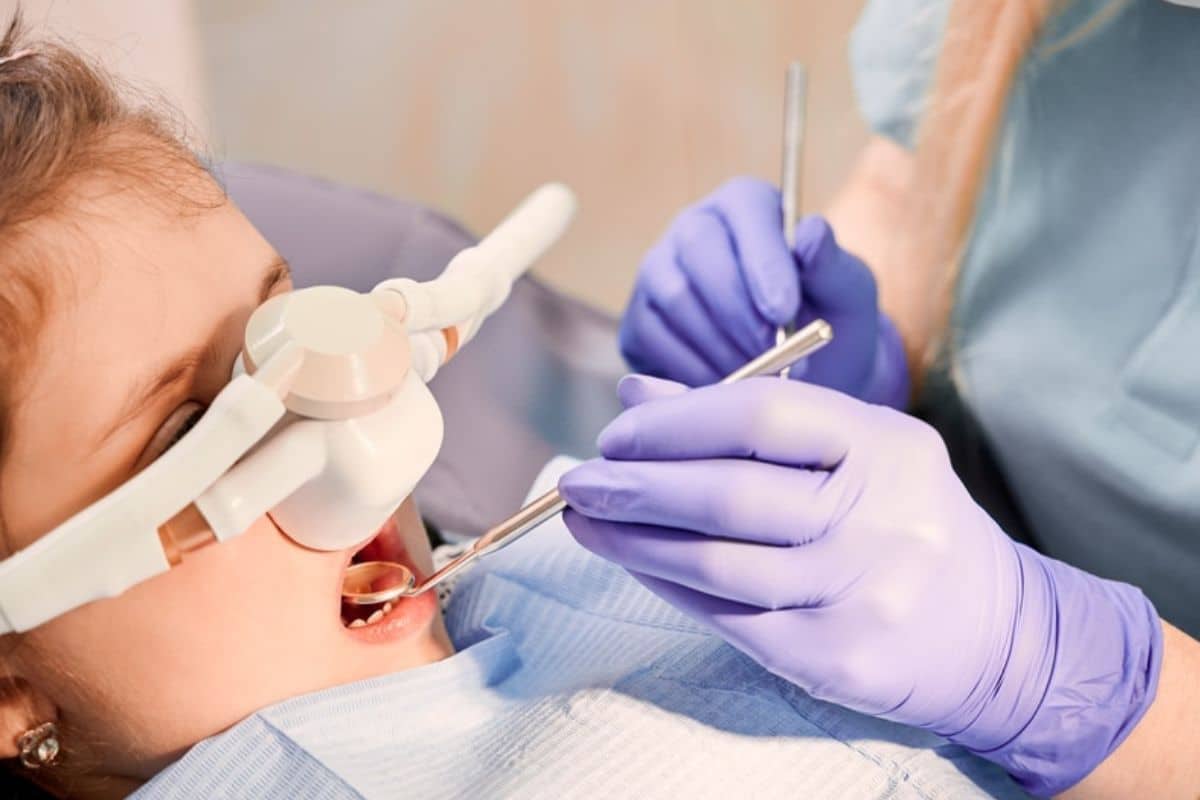
Nitrous oxide, or laughing gas, is inhaled through a mask or nosepiece. The calming effect starts within 3-5 minutes. The sedation dentist controls the amount of nitrous oxide and adjusts the dosage accordingly. After the treatment, the expert provides pure oxygen to flush the gas out of your system. As the gas leaves your system faster, you can return to work after the procedure ends.
Benefits-
- Quick result and recovery time
- Safe for both kids and adults
- The patients can drive home as soon as the procedure ends.
2. Intravenous or IV Sedation
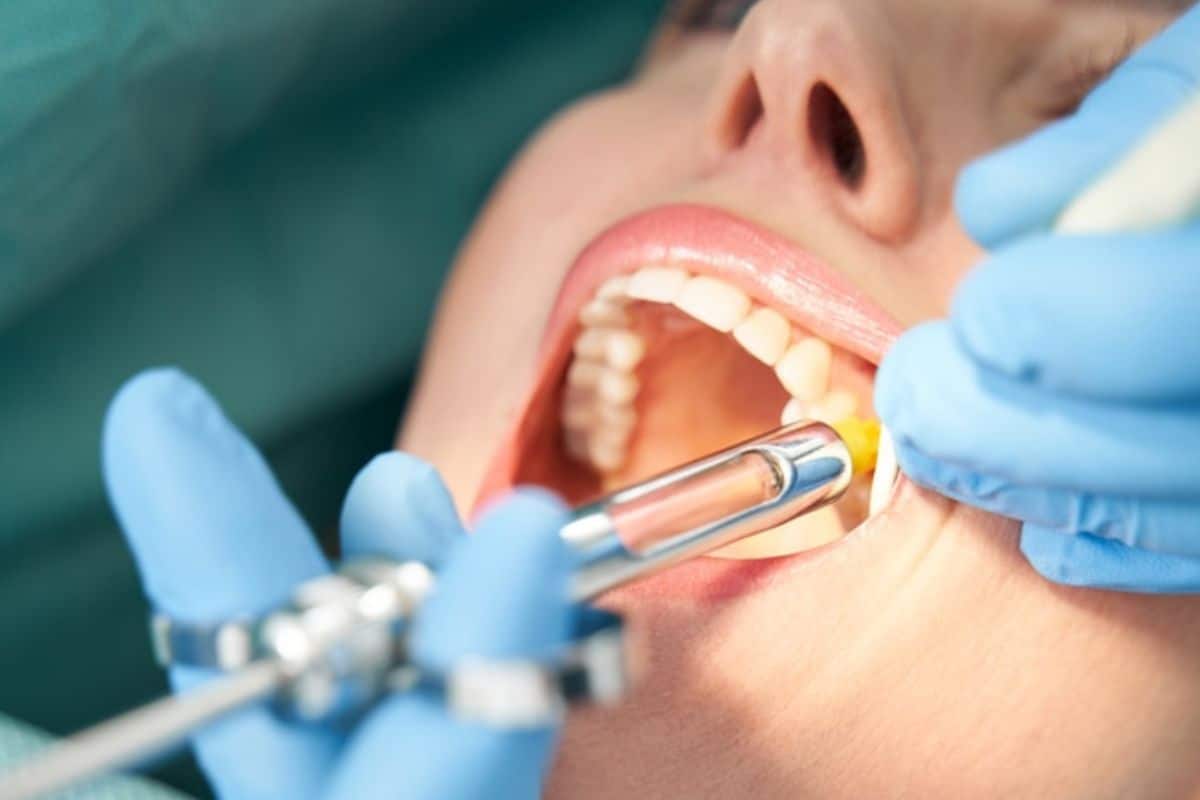
It is considered the deepest type of sedation. It delivers the medication directly into the bloodstream, allowing the dentist to adjust the dosage in real-time. This technique is suitable for those with severe anxiety levels or who are undergoing lengthy procedures.
Benefits-
- Fast and adjustable technique
- Provide a deep sense of relaxation
- Best for lengthy dental procedures
3. Oral Sedation
During this procedure, the dentist will give you sedatives, mainly pills, about an hour before the treatment starts. The medicine will make you feel drowsy. Although you will be awake, you cannot feel the pain. Generally, oral sedation takes 4-10 hours to recover. You need to bring a trusted companion to take you home.
Benefits-
- Easy to administer
- Best for moderate anxiety level
- An affordable option
4. General Anesthesia
General anesthesia is required when the patient must remain deeply unconscious during surgery. This procedure is used for extensive dental treatments, surgeries, or patients with special needs. A combination of inhaled gas and IV drugs ensures that the patient is completely unconscious and feels no discomfort.
Benefits-
- It provides complete relaxation, and no memory remains of the procedure
- Suitable for extensive dental surgeries
Anyone avoiding dental treatment due to fear is a candidate for dental sedation. It transforms the dental experience, making the most challenging procedures manageable. If you need to relax your mind or do not want to feel the pain during your medical procedures, contact Aloha Dental Las Vegas. We use controlled sedation techniques to make your visit comfortable and stress-free. Book your appointment with us at (725) 867-0057 consult with our sedation dentist today.
Data Source: https://pmc.ncbi.nlm.nih.gov/articles/PMC5586885