Call Today for a Free Consultation


Should You Remove Your Wisdom Teeth?
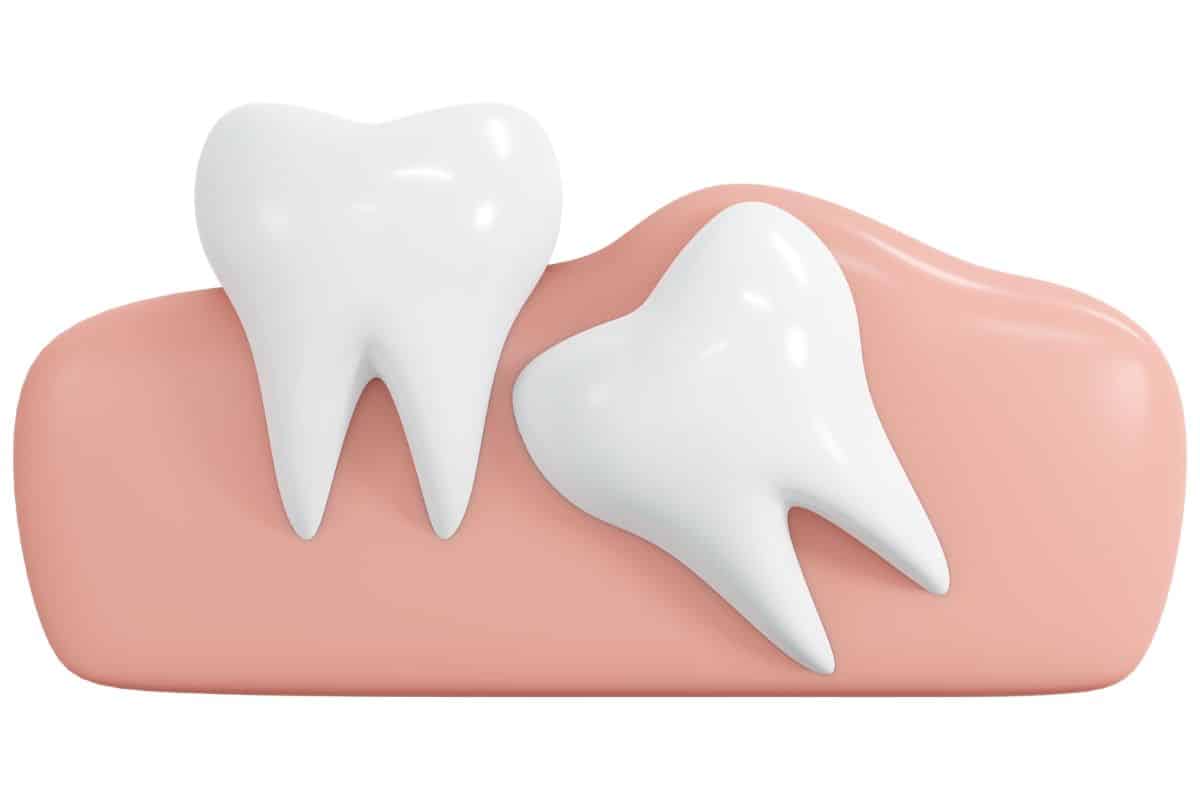
For years, many people have undergone wisdom teeth removal as a routine procedure. The idea was simple—wisdom teeth often cause problems and should be extracted to avoid complications.
However, recent research and changing opinions among dental practitioners have sparked a shift in thinking. Now, many experts say that not everyone needs their wisdom teeth removed. So, why the change? Let’s explore why your dentist might advise keeping your wisdom teeth.
What Are Wisdom Teeth?
Wisdom teeth, also known as third molars, are the last set of teeth located at the back of the mouth. They typically emerge in late adolescence or early adulthood, usually between the ages of 17 and 25. Historically, wisdom teeth were vital for grinding down plant material, but over time, our diets have changed. As a result, these teeth often lack enough space to grow properly, leading to potential issues.
The Traditional Rationale for Wisdom Teeth Removal
For many years, removing wisdom teeth was considered a standard practice. Dentists believed that these teeth could cause several problems, including:
- Impaction: When wisdom teeth don’t have enough space to emerge properly, they may become impacted, causing pain and swelling.
- Infection: Partially erupted wisdom teeth can create pockets where bacteria can grow, leading to infection.
- Crowding: Wisdom teeth may push on other teeth, leading to misalignment and bite issues.
- Cyst Formation: In rare cases, cysts can develop around impacted wisdom teeth, potentially damaging the jawbone and surrounding teeth.
Due to these risks, extraction was often recommended as a precautionary measure, even if
wisdom teeth weren’t causing immediate issues.
The Shift in Perspective: Why Experts Advise Against Removal
While wisdom teeth removal is still recommended for some individuals, the current trend leans toward more conservative treatment. Here are the main reasons why dentists now say not to opt for wisdom teeth extractions unless absolutely necessary:
Not Everyone Will Have Problems
Not all wisdom teeth cause issues. Some people’s wisdom teeth grow properly and remain functional throughout their lives. If there’s enough space in the jaw and the teeth are healthy, there’s no need for extraction. In fact, research has shown that many people who keep their wisdom teeth don’t experience any problems.
Risks of Removal
Like any surgery, removing wisdom teeth carries risks. Some potential complications include:
- Infection: Any surgery has a risk of infection, even with proper care.
- Nerve Damage: Wisdom teeth are located near important nerves. In rare cases, removal can lead to numbness or tingling in the mouth.
- Dry Socket: This painful condition occurs when a blood clot doesn’t form properly in the socket after extraction.
By choosing not to remove wisdom teeth unnecessarily, patients avoid these risks, which might outweigh the benefits of preemptive removal.
The Healing Process
The recovery from wisdom teeth removal can take time. Post-surgery swelling, bruising, and discomfort are common, and some people may experience complications that extend the healing process. If there’s no current issue with the wisdom teeth, the healing process may seem unnecessary and unpleasant.
Advances in Monitoring and Prevention
With today’s advanced imaging techniques, such as 3D X-rays, dentists can now monitor wisdom teeth more closely. These imaging tools help professionals spot potential problems early, even before symptoms arise. If wisdom teeth are at risk of causing problems, removal can still be done in a controlled, informed manner. But in the absence of concerns, proactive removal is less often recommended.
Better Understanding of Long-Term Impact
In the past, there was a tendency to assume that all wisdom teeth would eventually cause problems, leading to their early removal. However, new studies show that, in many cases, wisdom teeth can remain healthy throughout adulthood, especially when they’re monitored closely. Extraction isn’t necessary unless there’s evidence of a real problem.
When Should Wisdom Teeth Be Removed?
While many experts now recommend against routine wisdom teeth removal, there are still situations where extraction is necessary. These include:
- Impacted Wisdom Teeth: If the teeth are unable to fully emerge and become impacted, causing pain or infection.
- Decay or Gum Disease: If the wisdom teeth are decayed or causing gum disease, removal may be required.
- Orthodontic Concerns: In some cases, wisdom teeth may cause crowding, leading to alignment issues that require extraction.
- Cyst Formation: If cysts or tumors develop around the wisdom teeth, surgery may be needed to prevent damage to surrounding tissues.
In these cases, removal is the best course of action for preserving oral health.
Should You Keep Your Wisdom Teeth?
The decision to remove or keep your wisdom teeth depends on your individual circumstances. If your wisdom teeth are healthy, properly aligned, and don’t cause any discomfort, your dentist may recommend leaving them in place. On the other hand, if there are signs of infection, impaction, or other issues, extraction may be necessary.
Discuss your oral health concerns with your dentist in Las Vegas to determine whether tooth extractions are essential. They can assess the condition of your wisdom teeth and provide personalized advice based on your oral health. With modern techniques and careful monitoring, keeping your wisdom teeth is often the best option, especially if they’re not causing problems.
Thanks to advancements in dental care, wisdom teeth removal is no longer a routine procedure for everyone. If your wisdom teeth are healthy and not causing problems, there’s a good chance you’ll be able to keep them for life. In that case you may follow some recommendation to keep your wisdom tooth problems away. For more insights into tooth extractions and alternative treatments, contact Aloha Dental.