Call Today for a Free Consultation


What Happens If You Skip Dental Cleanings for 2–5 Years?
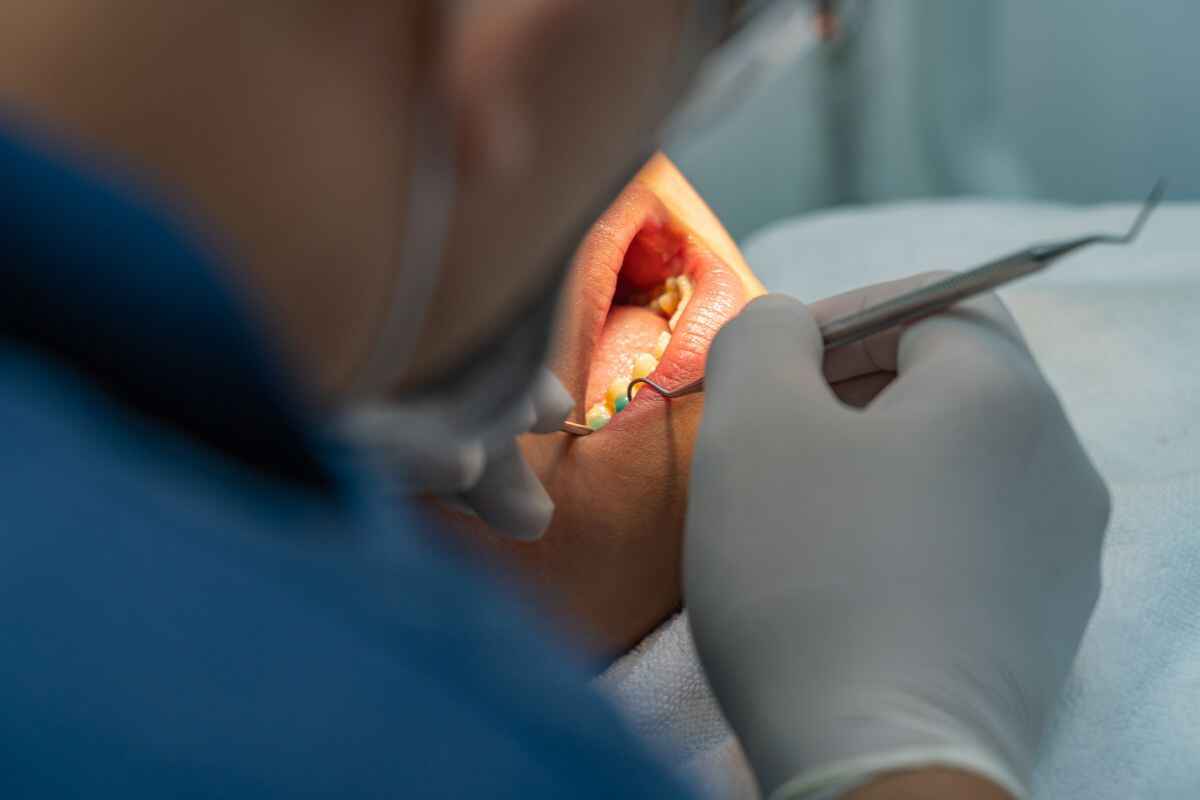
Life fills up with work, family responsibilities, school schedules, and everything else competing for our attention. In the middle of these busy schedules, a simple dental cleaning often gets postponed and then quietly skipped.
If you skip cleanings for two, three, or more years, it allows plaque and tartar to build up unchecked. This often leads to gum disease, hidden cavities, and gradual damage to the bone supporting your teeth. Because these problems rarely cause pain in the early stages, they often go unnoticed until they require more involved treatment.
In our experience treating patients across Las Vegas communities like Summerlin South, Spring Valley, and Rhodes Ranch, these changes tend to happen slowly and quietly, making regular cleanings one of the most effective ways to prevent long-term dental issues.
In this article, we will explain what typically happens year by year and why early prevention matters.
The Stages of Missing a Dental Cleaning and Its Effects
The First 6–12 Months: Changes You Don’t Feel Yet
When you skip cleanings, plaque begins to accumulate in areas a toothbrush can’t fully reach. Over time, that plaque hardens into tartar, especially along the gumline and between teeth.
During the first year, most people notice little to nothing. What we usually see instead includes:
- Plaque and tartar buildup starting to thicken
- Mild gum irritation
- Occasional bleeding when brushing or flossing
- Persistent bad breath that brushing doesn’t fully resolve
Because there is rarely pain at this stage, many patients assume nothing is wrong.
Years 1–2: Gum Inflammation Becomes Ongoing
After a year or more without professional cleanings, the gums are exposed to constant irritation from bacteria. This leads to gingivitis, which is an early and reversible stage of gum disease.
Signs often include:
- Gums that appear red or swollen
- Bleeding that becomes more frequent
- Tenderness when chewing certain foods
- Gums no longer fitting as tightly around the teeth
Many patients across Las Vegas tell us they noticed bleeding but didn’t think it was serious. Unfortunately, inflammation doesn’t resolve on its own without removing the underlying buildup.
Years 2–3: Problems Start Below the Surface
When gingivitis is left untreated, it can progress into early periodontal disease. At this point, the changes happen below the gumline, where they’re easy to miss.
Clinically, this stage often involves:
- Gums slowly pulling away from the teeth
- Deeper pockets forming where bacteria collect
- Early bone loss around the roots of teeth
- Increased risk of infection
People who live busy lives commuting between home, work, and activities around the Strip or local business districts of Las Vegas, often don’t realize these changes are happening until they show up on X-rays or during an exam.
Years 3–5: Long-Term Damage Becomes Noticeable
After several years without dental cleanings, the consequences tend to be more visible and harder to reverse.
At this stage, patients may experience:
- Moderate to advanced gum disease
- Noticeable gum recession
- Chronic bad breath
- Tooth sensitivity, especially near the gumline
- Teeth that feel slightly loose or uncomfortable when chewing
Treatment at this point often requires more than a routine visit. The longer plaque and bacteria remain undisturbed, the more damage they can cause to the supporting structures of the teeth.
Cavities Often Develop Quietly
One of the biggest misconceptions is that cavities always hurt. In reality, tooth decay can progress for years without symptoms, especially between teeth or under existing fillings.
Skipping cleanings increases the likelihood of:
- Cavities forming in hard-to-see areas
- Decay spreading before it’s detected
- More extensive treatment being needed later
Regular cleanings allow us to spot early decay long before it becomes painful or complex to treat.
Why Brushing and Flossing Aren’t Enough
Even patients who brush twice a day and floss regularly still benefit from professional care. Once tartar forms, home care tools cannot remove it.
Professional cleanings allow us to:
- Remove hardened deposits safely
- Clean below the gumline
- Monitor changes over time
- Identify issues before they escalate
This is where our dental cleaning service fits into long-term oral health, serving as preventive maintenance rather than reactive care.
Missed Dental Cleaning? Schedule Your Visit at
If it’s been a few years since your last dental cleaning, it’s never too late to restart preventive care. At our dental office, our dentists take a clear, respectful approach to dental cleanings, focusing on where things stand today and what steps make sense moving forward.
schedule your appointment with us and get a straightforward assessment of your oral health.
Frequently Asked Questions
What are the risks of skipping dental cleanings for several years?
Skipping dental cleanings for 2–5 years allows plaque and tartar to build up, which can lead to gingivitis, gum disease, cavities, and even bone loss around the teeth. Most changes happen gradually, so problems often go unnoticed until they require more complex treatment. Regular cleanings help prevent these issues and keep your teeth and gums healthy over time.
Can I reverse the damage if I haven’t had a cleaning in a few years?
Early-stage issues like gingivitis are usually reversible with professional cleaning and improved home care. However, once gum disease progresses or bone loss begins, treatment becomes more involved.
How often should I schedule dental cleanings to prevent serious problems?
For most patients, scheduling a cleaning every six months is ideal. Some patients with higher risk factors, such as those with a history of gum disease or certain medical conditions, may need cleanings more frequently. Consistent cleanings help catch problems early, before they become painful or costly to treat.
Are cavities more likely if I skip cleanings?
Yes. Plaque and tartar harbor bacteria that produce acids, which weaken tooth enamel and contribute to decay. Cavities can form between teeth or under existing fillings and often go unnoticed until they reach the nerve. Regular cleanings are essential to remove buildup and detect cavities early, even before pain develops.